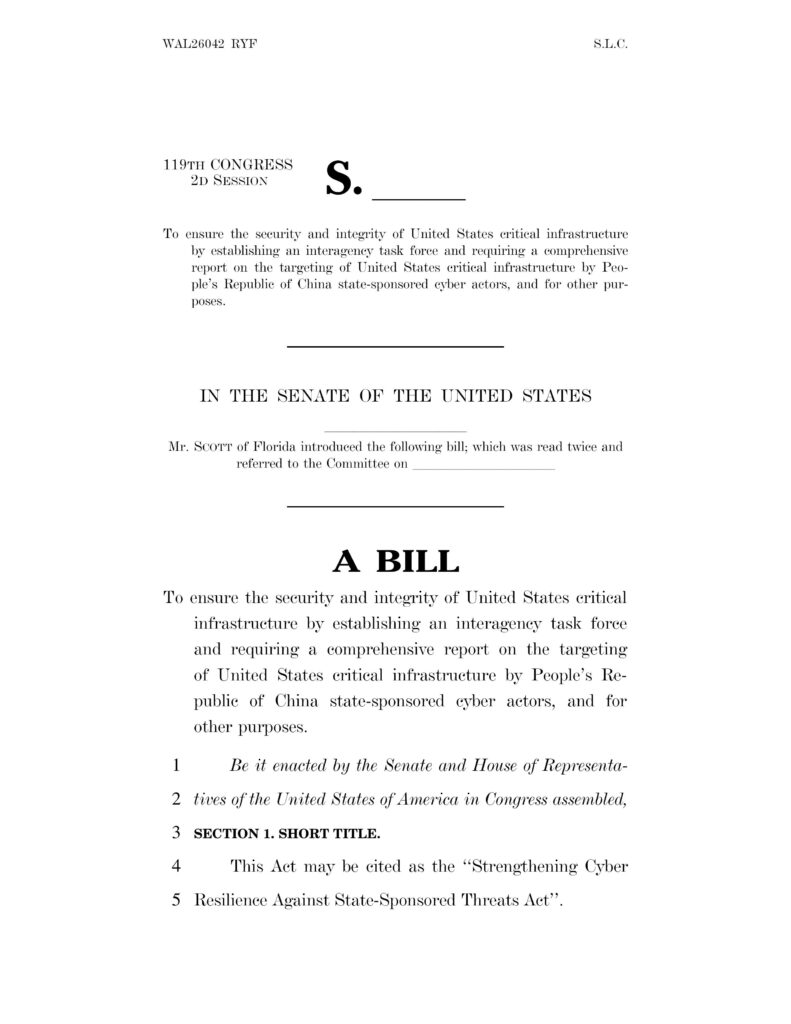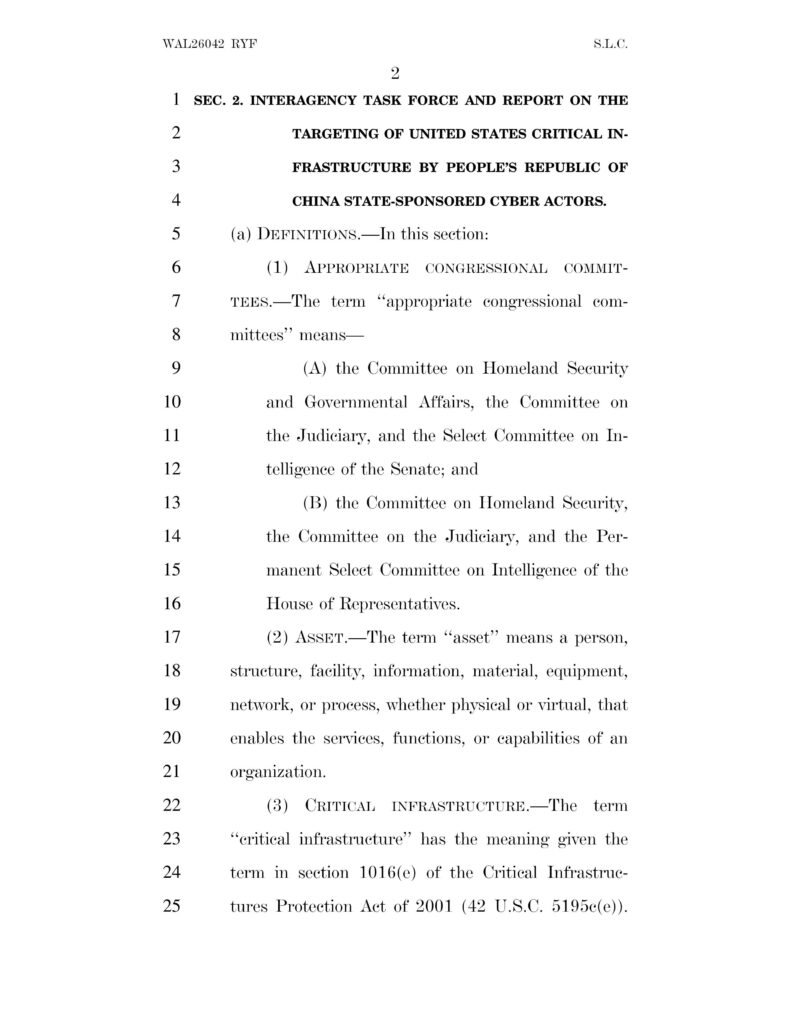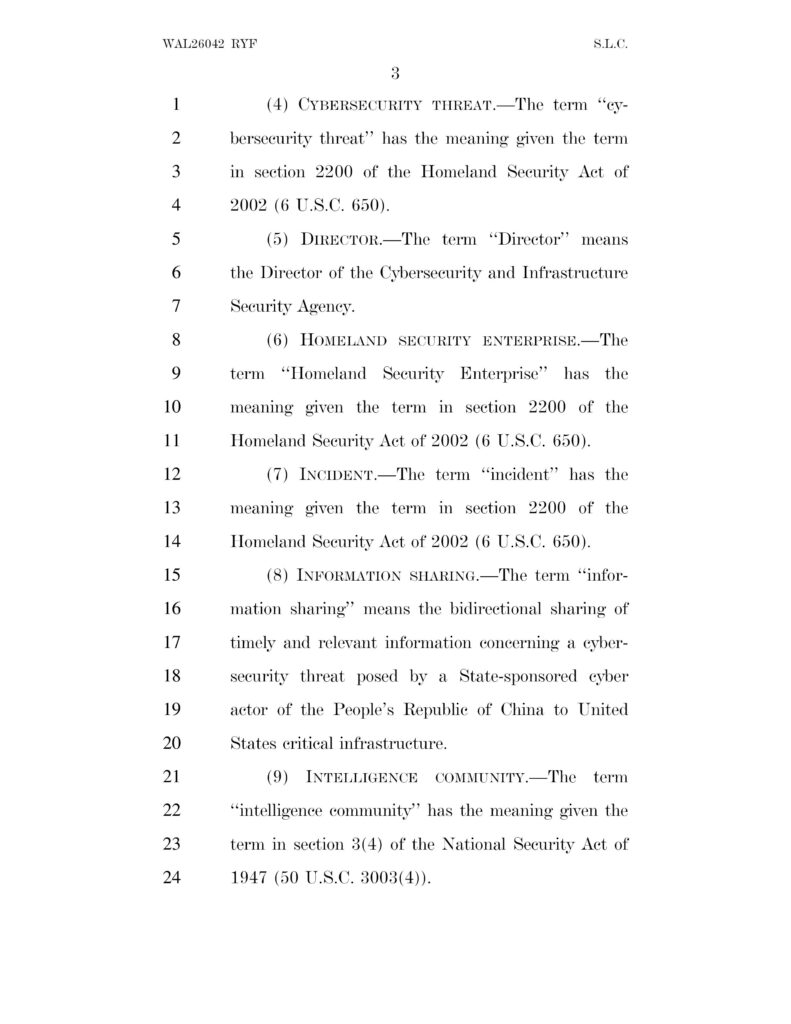
SAIPAN — A bill to counter Chinese state-sponsored cyberattacks on U.S. critical infrastructure has moved to the Senate, where Sen. Rick Scott introduced the companion measure on May 19. The legislation would create a federal task force to detect and respond to the threat, including the actor known as Volt Typhoon.
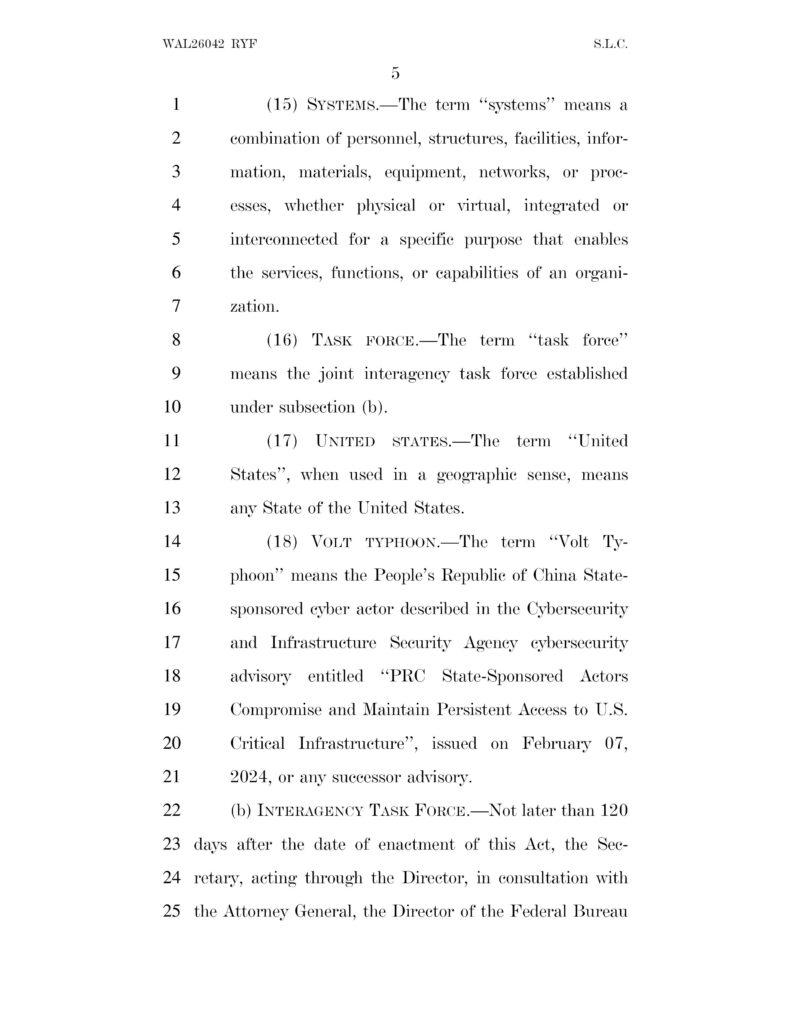
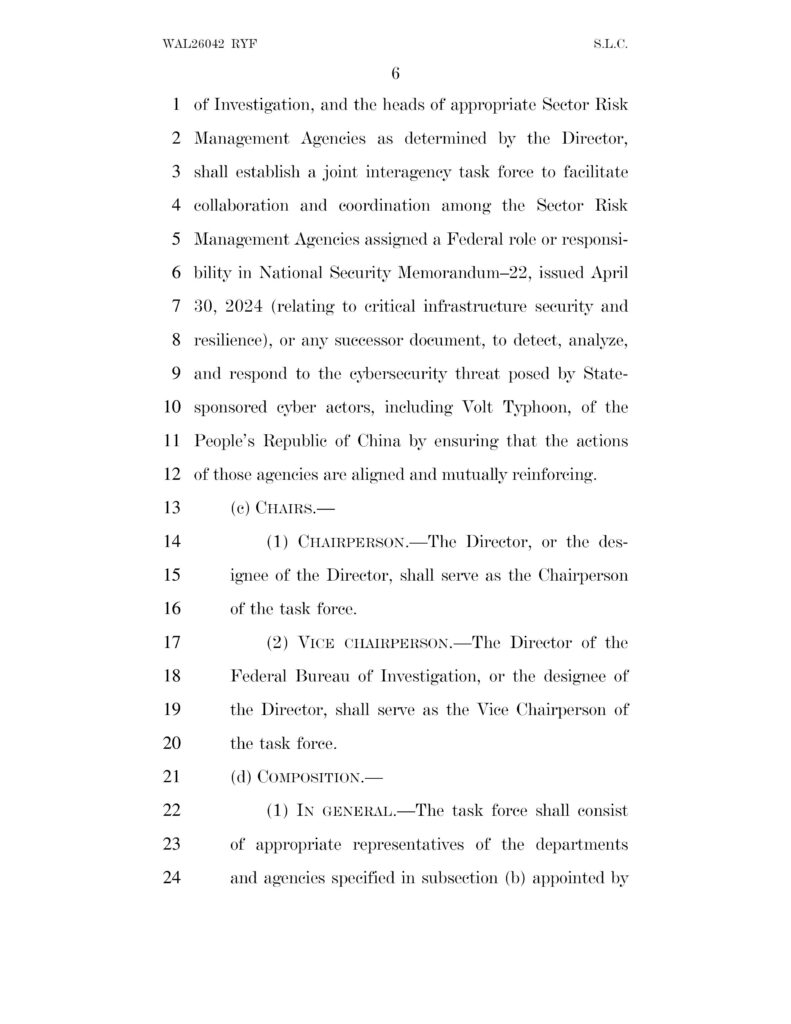
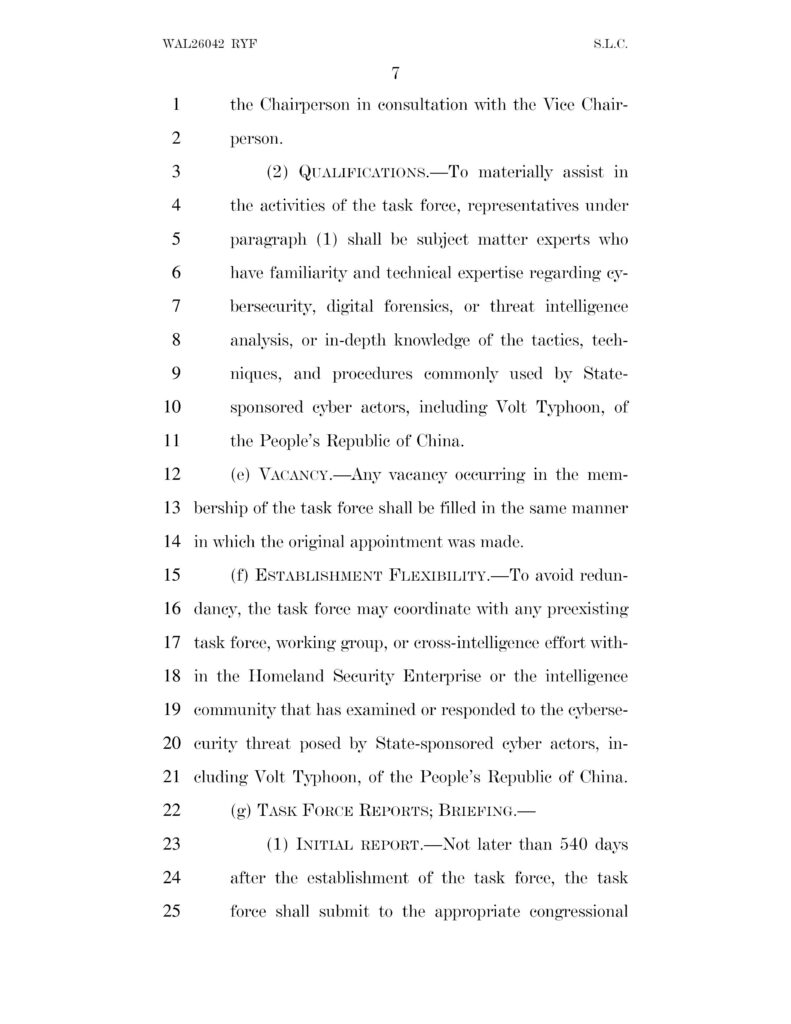
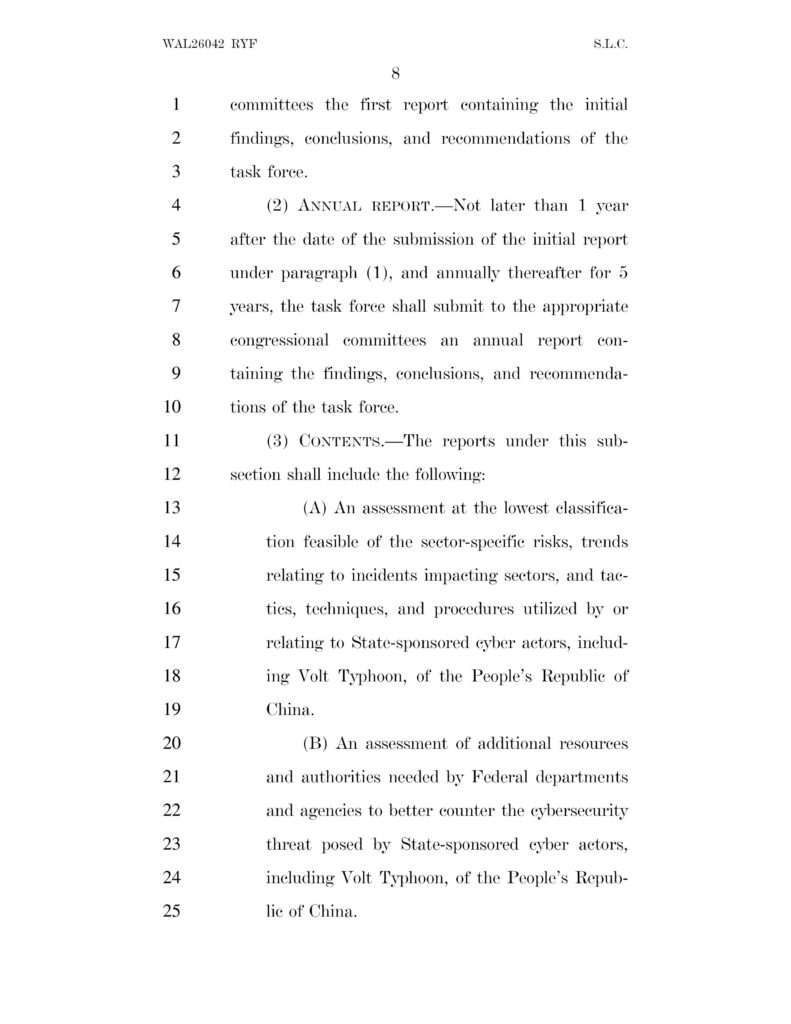
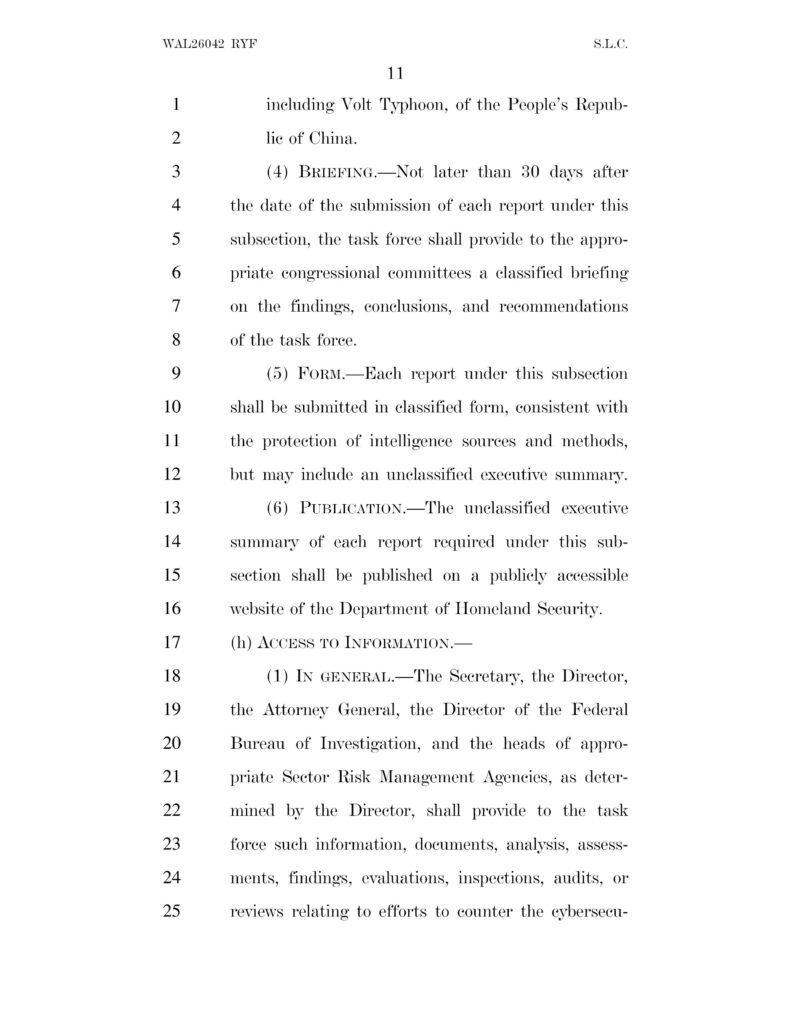
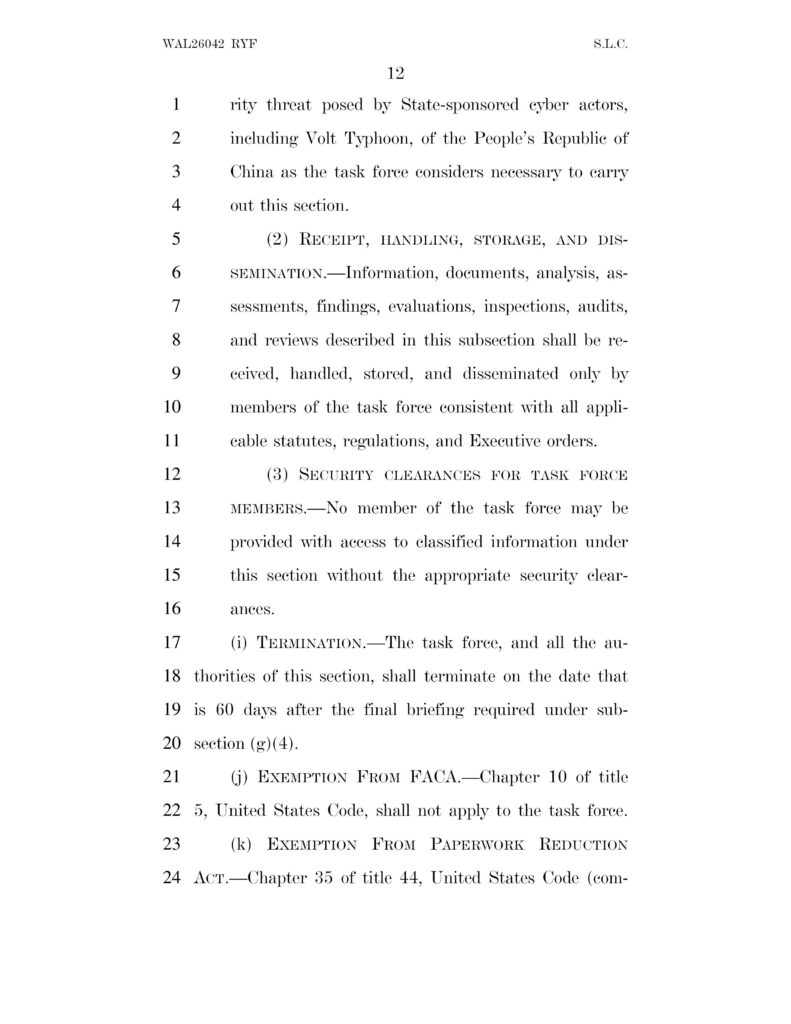
The Strengthening Cyber Resilience Against State-Sponsored Threats Act would establish a joint interagency task force led by the Cybersecurity and Infrastructure Security Agency, with the Federal Bureau of Investigation as vice chair. The task force would align federal agencies to detect, analyze and respond to Chinese state-sponsored cyber actors targeting U.S. critical infrastructure. The House passed its version 402-8 on Nov. 17, 2025.
According to Scott’s office, federal agencies revealed in February 2024 that Volt Typhoon had been burrowed into the information technology environments of key critical infrastructure sectors including energy, water and wastewater systems, transportation systems and communications for years.
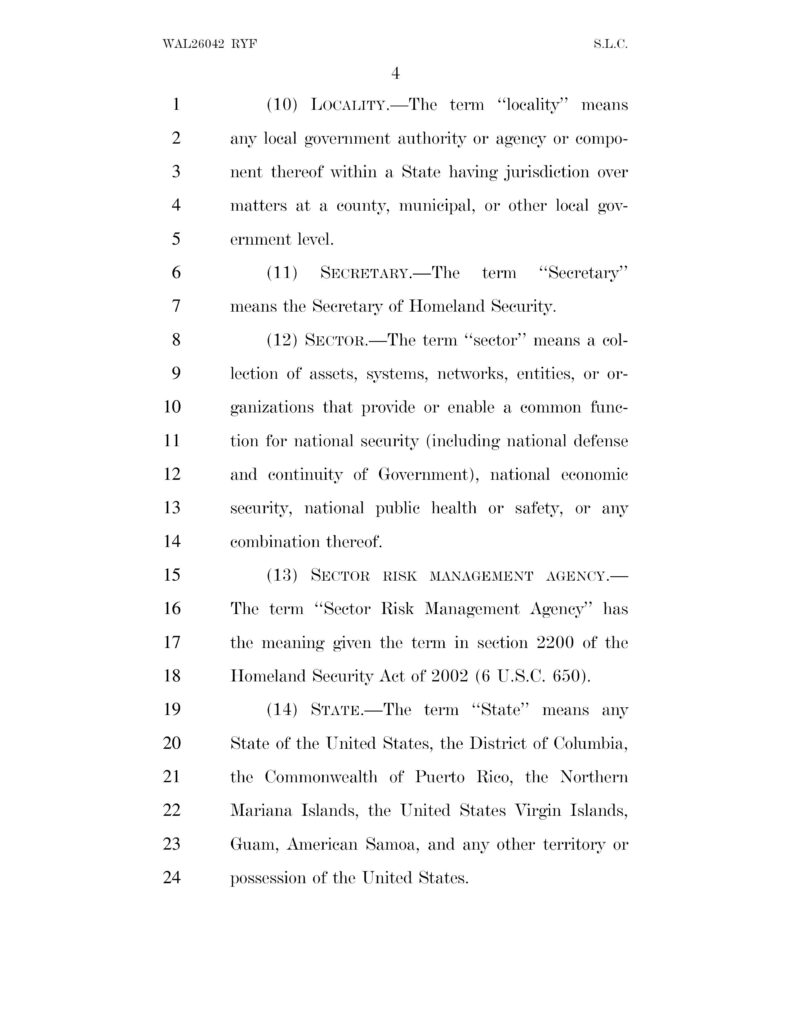
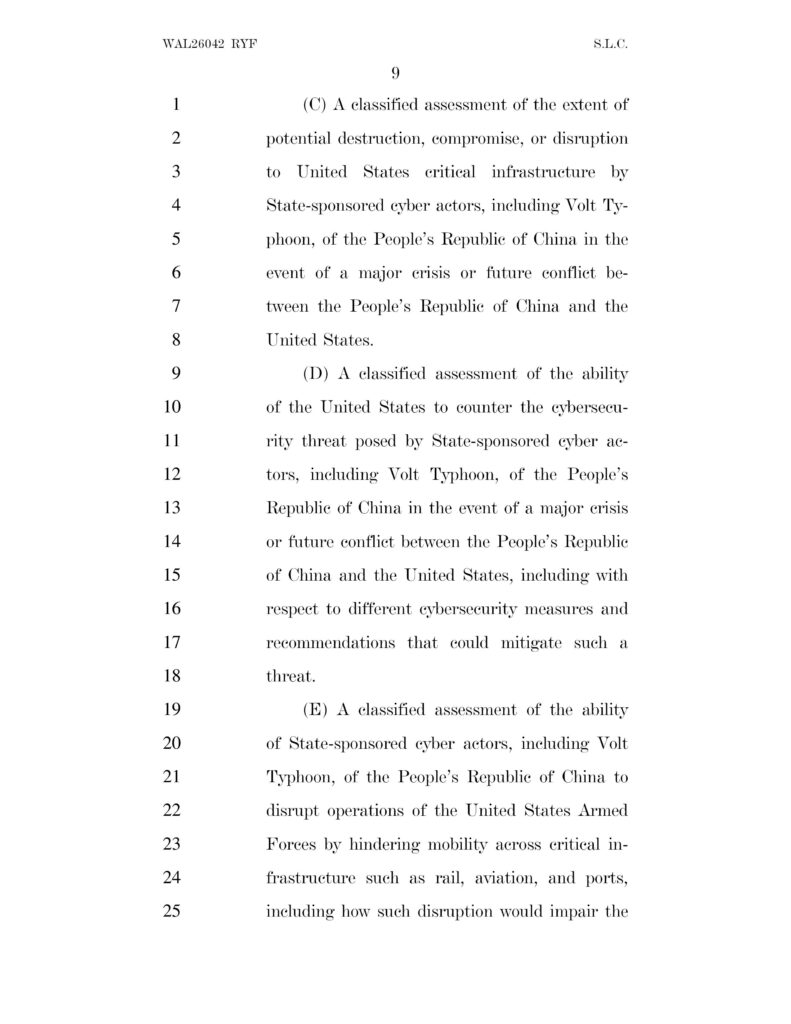
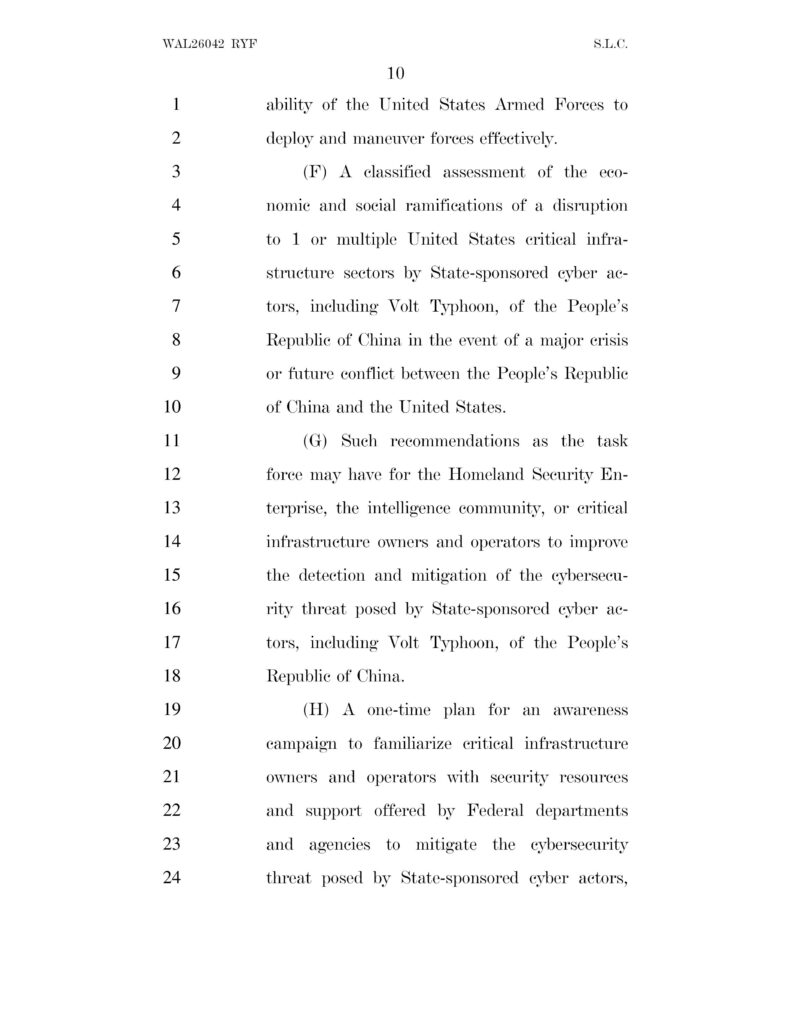
The bill also carries a Pacific dimension. Among the classified assessments it requires is an evaluation of whether these actors could disrupt U.S. Armed Forces mobility across critical infrastructure such as rail, aviation and ports, and how such disruption would impair the military’s ability to deploy and maneuver forces. The Marianas, the U.S. Virgin Islands, Guam, American Samoa and other territories are covered under the bill’s definition of “State.”
“As the world’s leading digital economy, America has the most to lose in a cyberattack,” Scott said in a statement. “If we don’t secure our digital infrastructure, hackers could cut power to your house, empty your bank account, or disable life support for a loved one in the hospital.”
In a video posted to X on May 23, Scott described the threat in plain terms. “What if there was one country that could shut down the water, like tomorrow you get no water, or shut down your electricity, tomorrow no electricity, or shut down all of our ports so we couldn’t bring anything else into the country,” he said. “There’s one country that wants to do all those things. We have got to understand we have enemies.”
The measure was led in the House by Rep. Andy Ogles of Tennessee. “The Chinese Communist Party is the greatest foreign adversary we face, and Beijing continues to use cyberspace as a battlefield on which to undermine American sovereignty and interests,” Ogles said. “I look forward to getting this legislation to President Trump’s desk so we can keep securing our nation from this deadly enemy.”