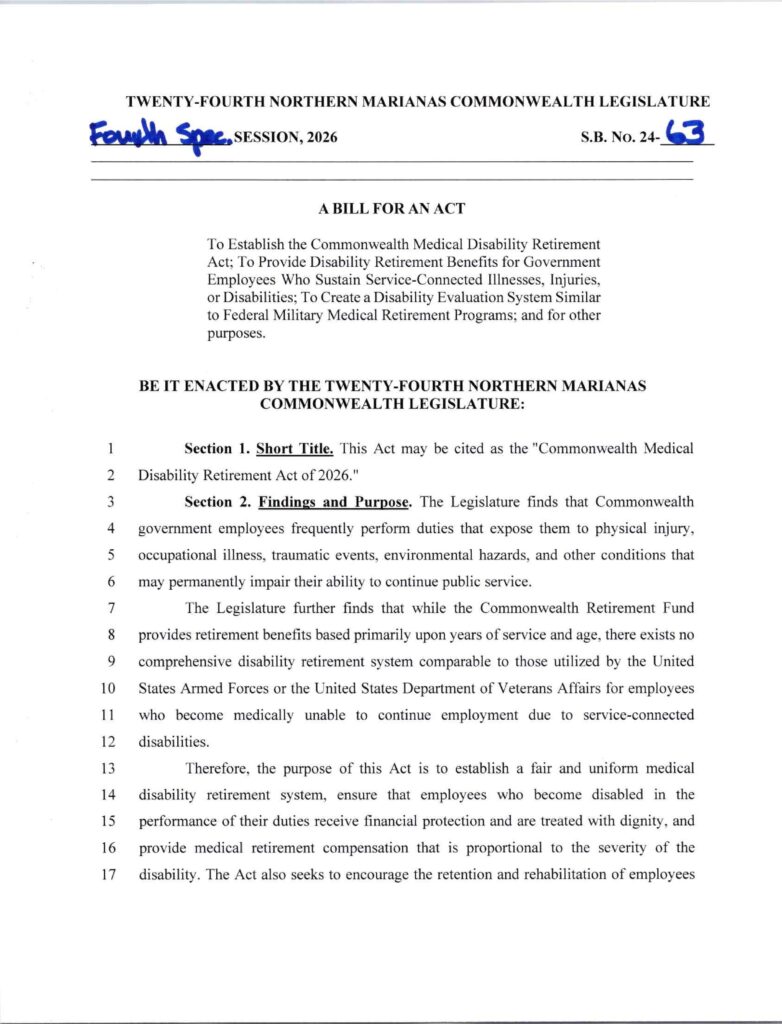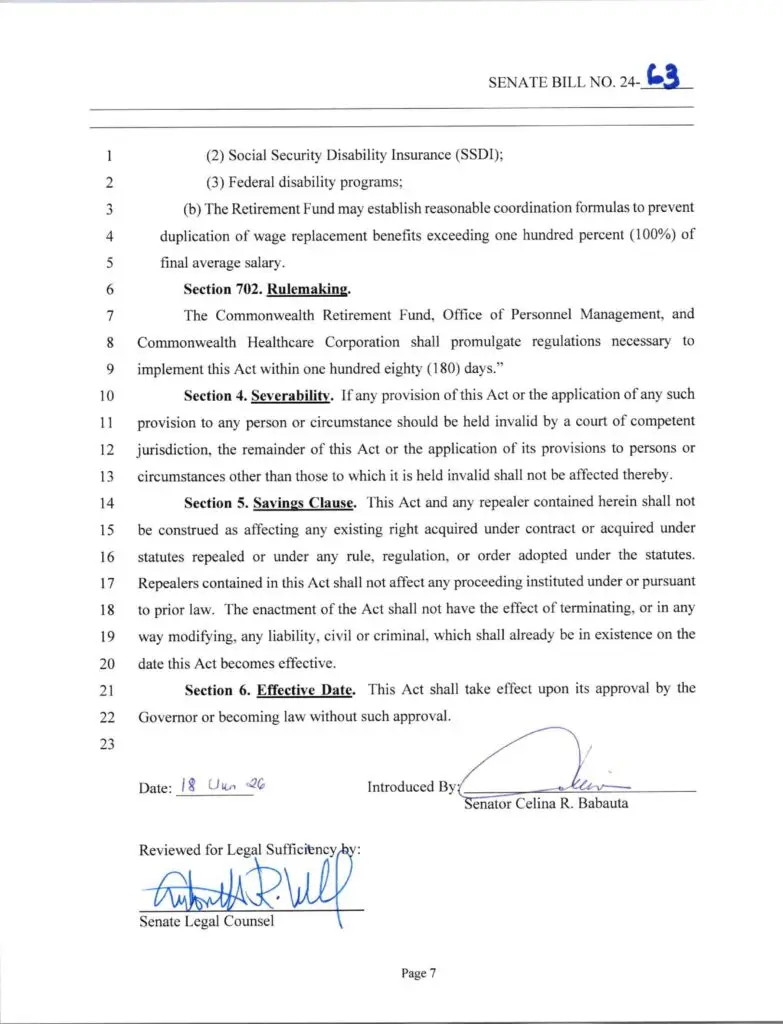


SAIPAN — Senator Celina R. Babauta has introduced Senate Bill 24-63, the Commonwealth Medical Disability Retirement Act of 2026, which would establish a medical disability retirement system for government employees left unable to work by serious illness, injury, occupational disease, mental health conditions or other disabilities connected to their public service.
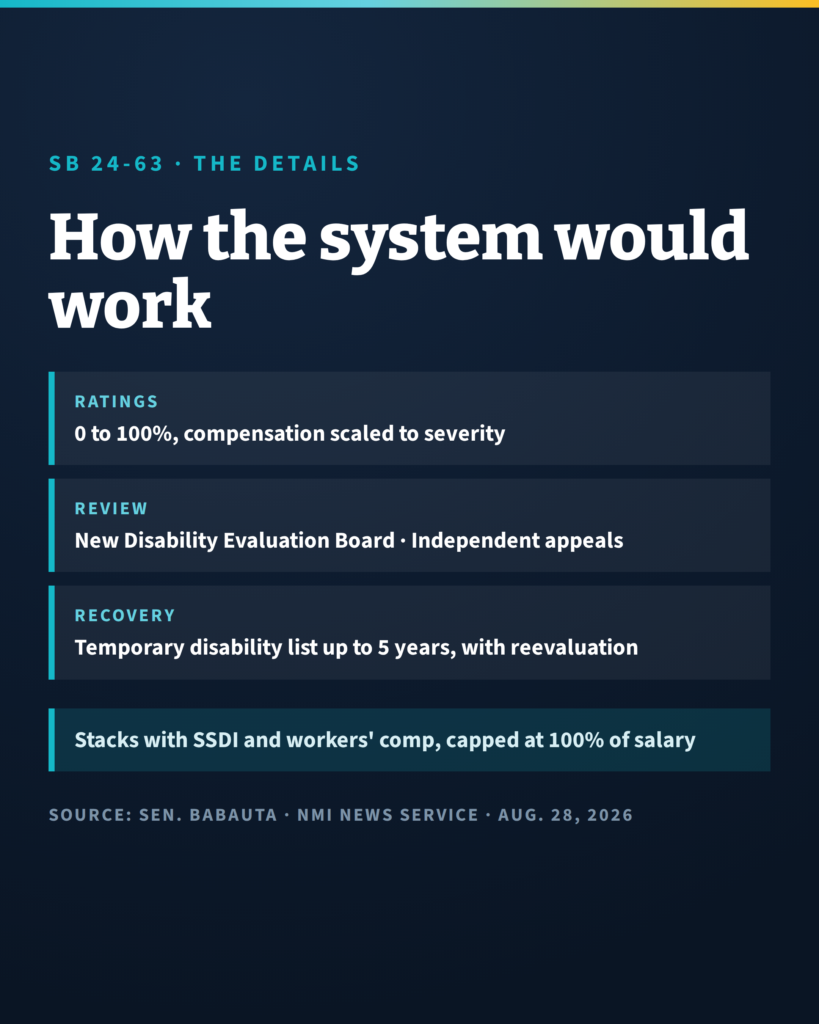
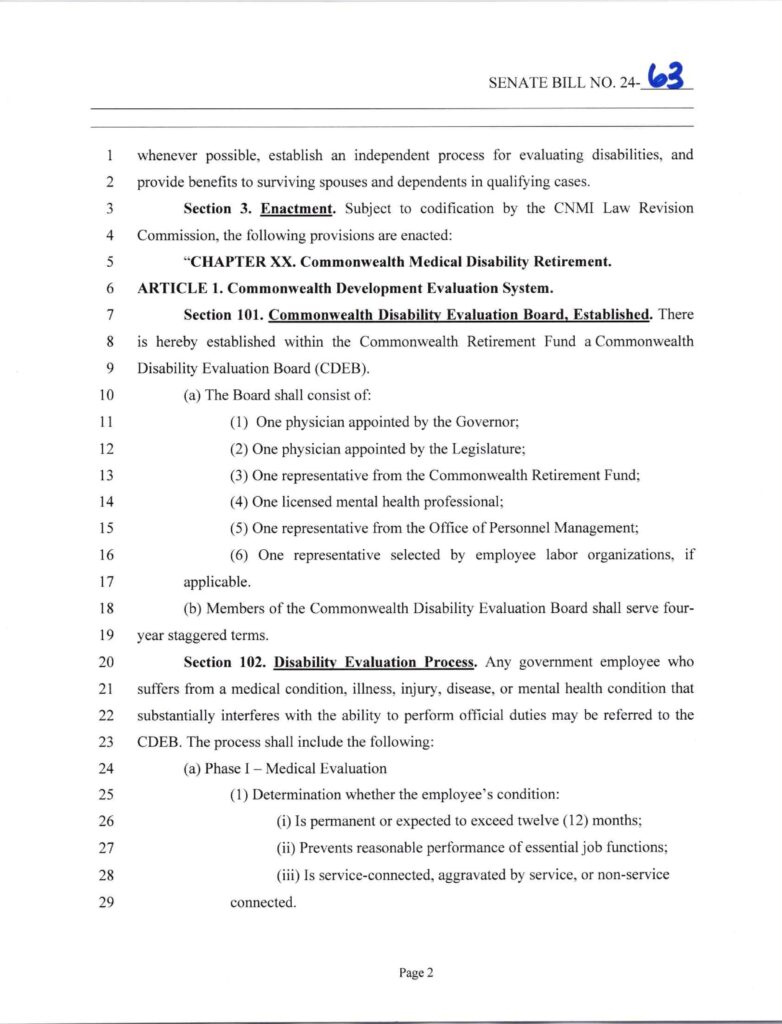
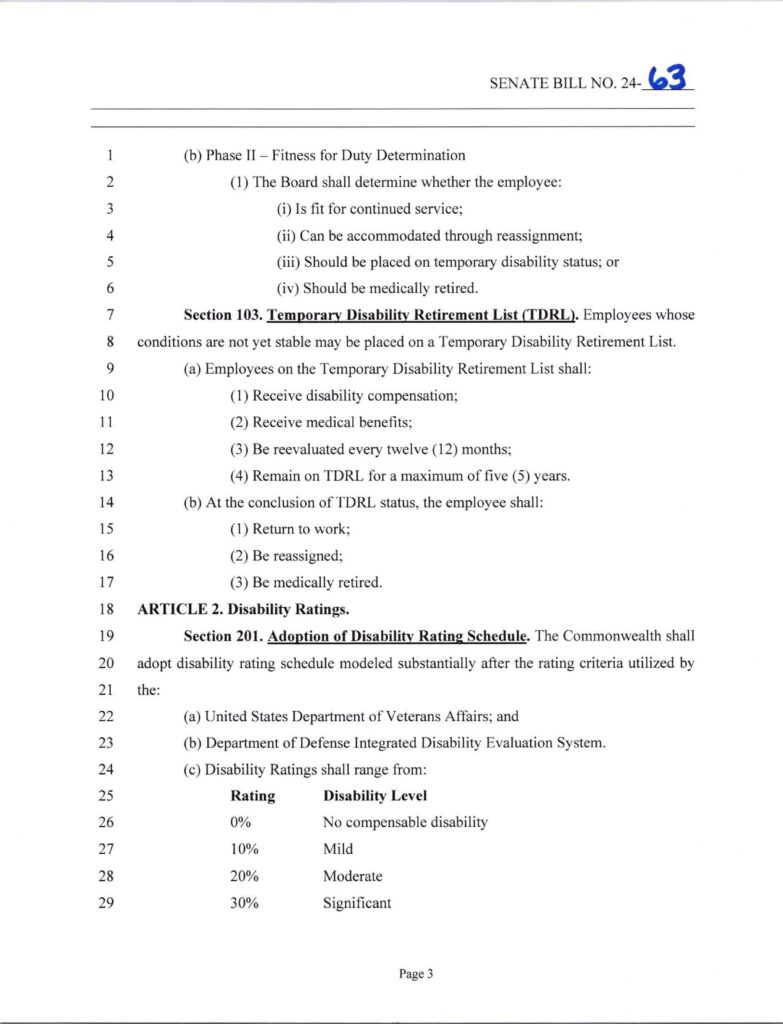
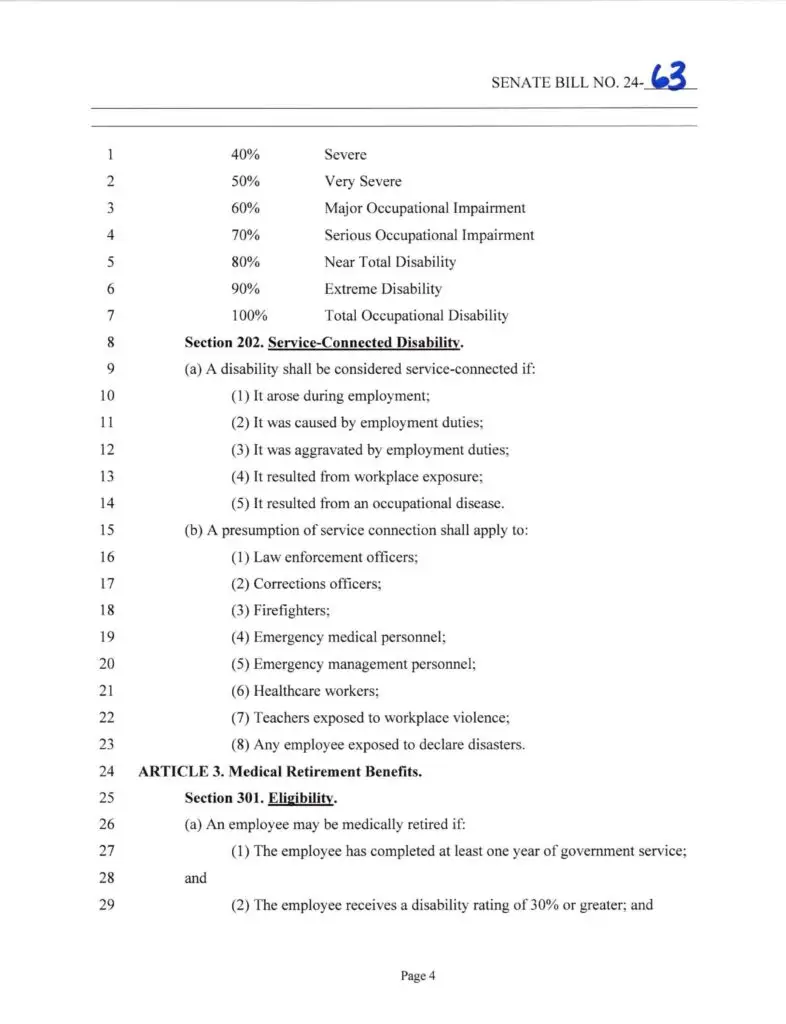
The legislation is modeled substantially on the disability evaluation and compensation systems used by the U.S. Department of Veterans Affairs and the Defense Department, creating disability ratings from 0 to 100 percent with compensation proportionate to severity. It would establish a Commonwealth Disability Evaluation Board, an independent appeals process, and paths to rehabilitation, reassignment or temporary disability status, with employees whose conditions have not stabilized placed on a Temporary Disability Retirement List for up to five years with periodic reevaluation rather than forced out of service.
“If that service leaves an employee seriously injured, ill, or permanently disabled, we should not simply thank them for their service and leave them without a meaningful financial safety net,” Babauta said. “Government service and compassion do not have to be competing interests and are not mutually exclusive.”
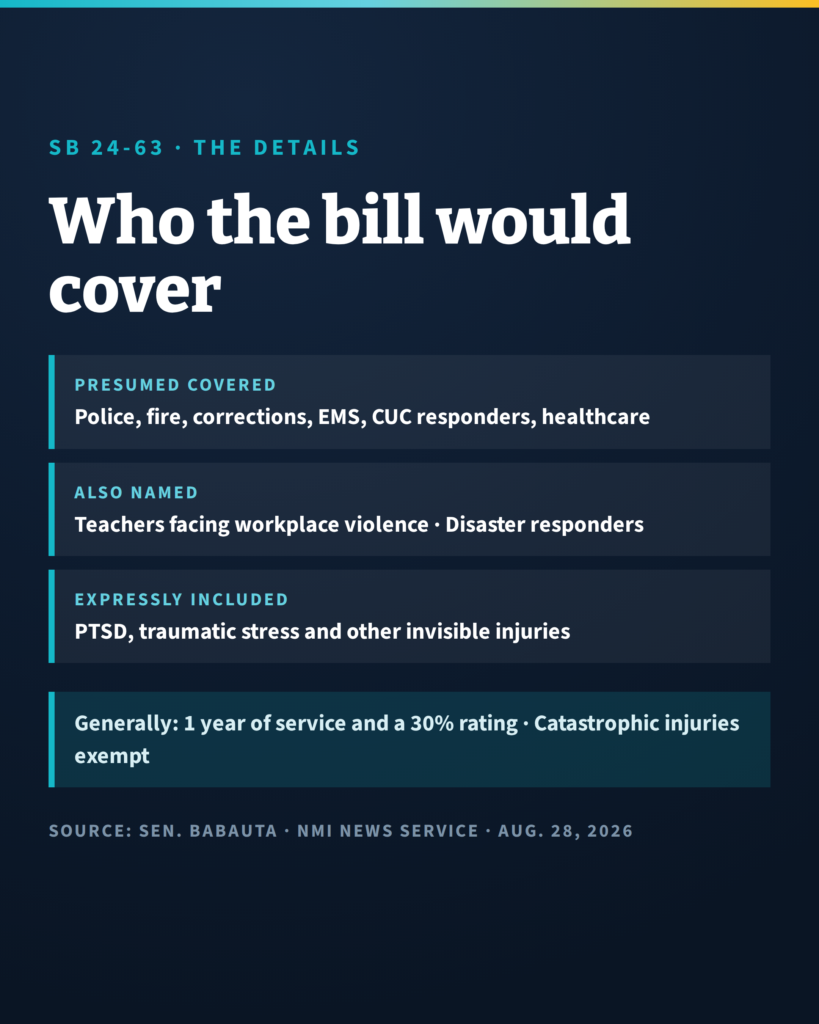
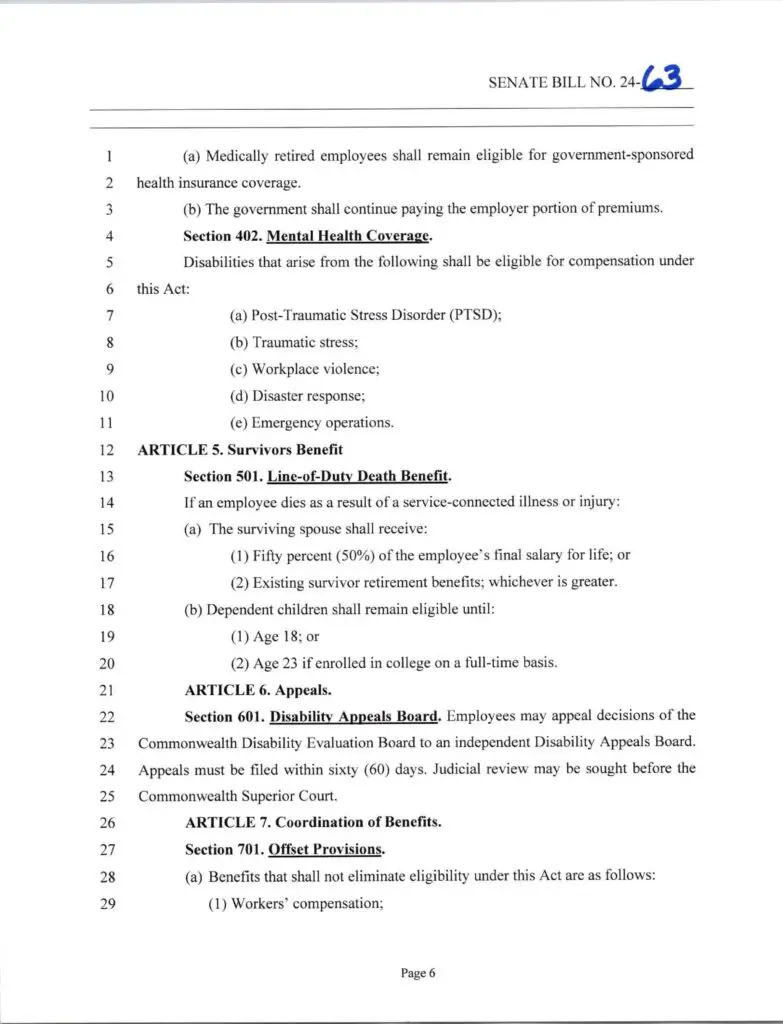
The measure would establish presumptions of service connection for law enforcement, corrections officers, firefighters, emergency medical personnel, CUC emergency responders, emergency management personnel, healthcare workers, teachers exposed to workplace violence and employees exposed to declared disasters, and expressly recognizes PTSD, traumatic stress, workplace violence, disaster response and emergency operations as potentially compensable.
“Disabilities are not always visible, and sacrifice is not measured only by years of service,” Babauta said. “This bill says that their sacrifice matters and that their government will not forget them.”
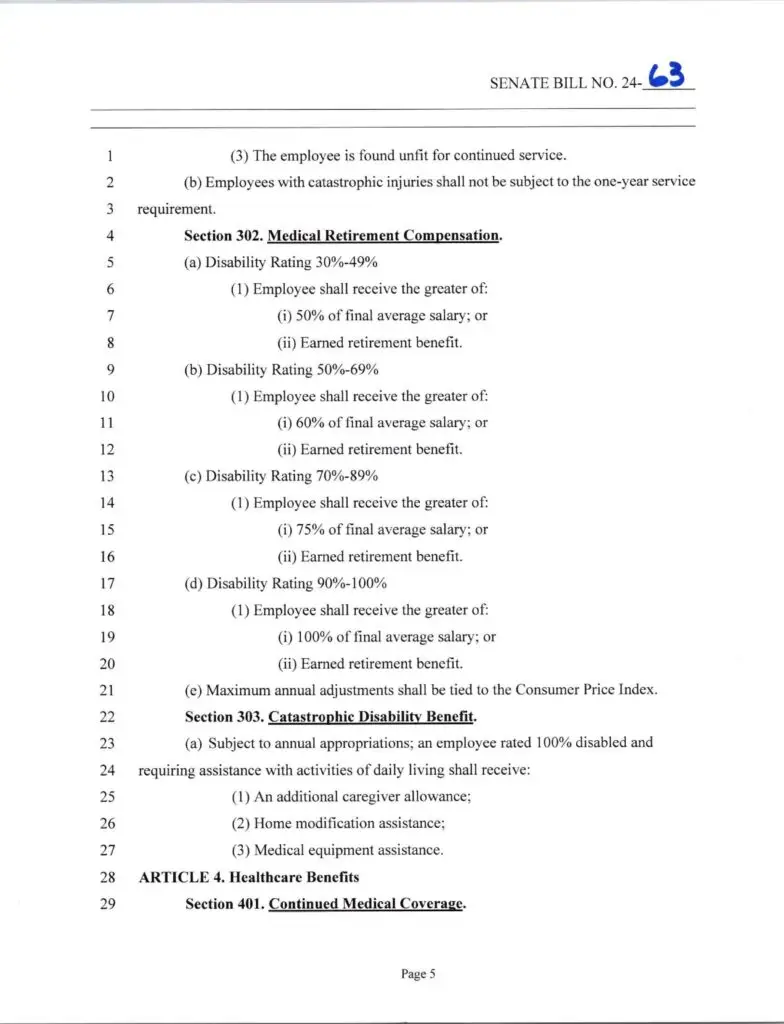
Eligibility would generally require at least one year of government service, a disability rating of at least 30 percent and a medical determination of unfitness for continued service, with catastrophic injuries exempt from the one-year requirement. The bill is designed to complement rather than replace other protections: receiving Social Security Disability Insurance, workers’ compensation or federal disability benefits would not eliminate eligibility, with coordination rules keeping combined wage replacement from exceeding 100 percent of final average salary.
The bill directs the Retirement Fund, the Office of Personnel Management and the Commonwealth Healthcare Corporation to issue implementing regulations within 180 days of enactment.