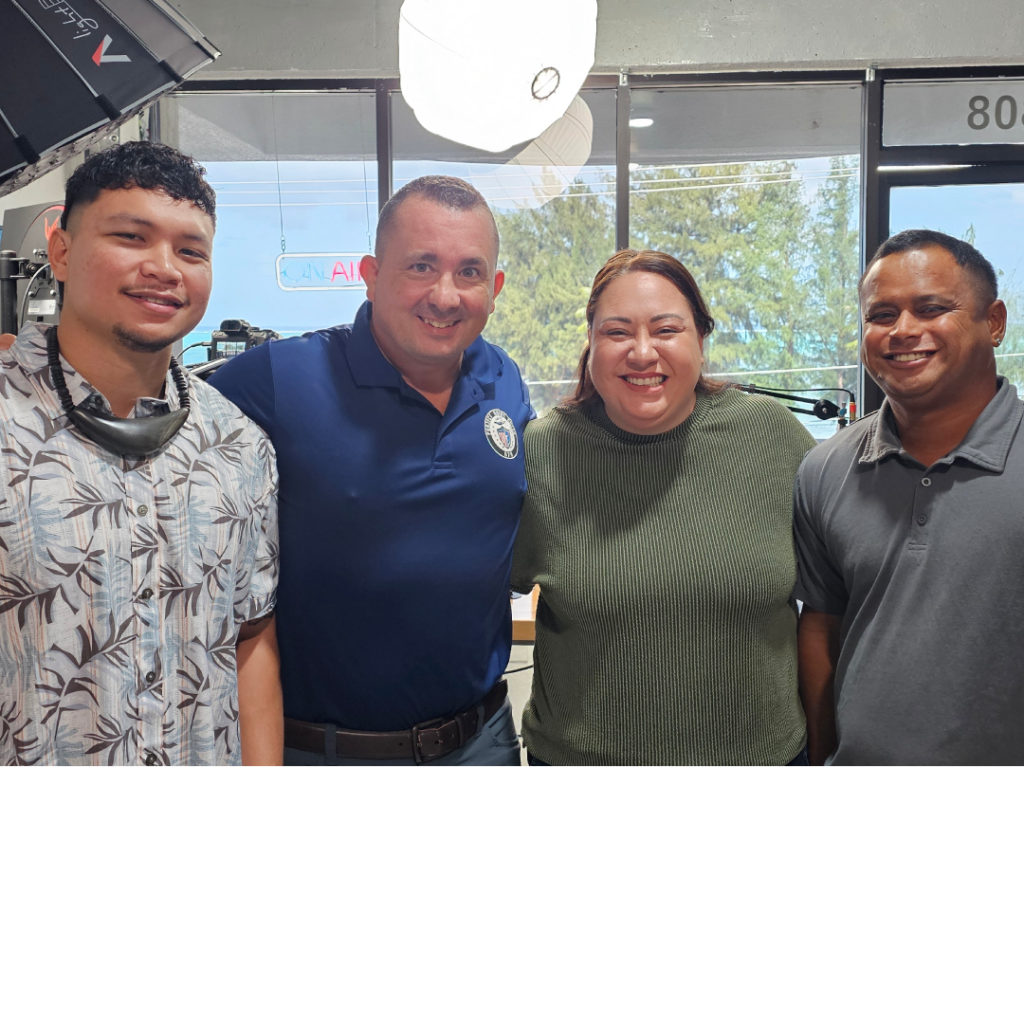
SAIPAN — WestCare Pacific Islands is expanding its footprint in the Northern Mariana Islands, bringing veterans housing assistance, mental health services and substance prevention programs to the CNMI as the organization moves to address homelessness and social services gaps in the region.
Dr. Lawrence Camacho, a member of WestCare’s national board and its Community Action Council for the Marianas, said the organization received word over the weekend that the Northern Marianas Housing Corporation has allocated $1.6 million in HOME Investment Partnerships American Rescue Plan funds to WestCare Pacific Islands to support housing services for homeless and at-risk residents in the CNMI.
“We’re excited about that,” Camacho said Tuesday during an appearance on Good Morning Marianas. “WestCare is going to come in, provide a framework for what the 1.6 is going to be used in the way of helping NMHC provide better housing for folks who are in need of it.”
The organization, which operates across 20 states and territories from its national foundation level, already runs approximately nine programs out of its Guam office, ranging from mental health counseling to substance use prevention, treatment and recovery. The CNMI expansion is driven in part by a Community Action Council that includes Camacho, Community Action Council chair Tiffany Crisostomo and recently added member Kim Camacho of the Saipan Chamber of Commerce.
Central to WestCare’s CNMI outreach is the Supportive Services for Veteran Families program, known as SSVF, which has operated on Guam since 2014 and is funded through the U.S. Department of Veterans Affairs. The program provides housing crisis intervention for veterans and their families, including hotel placement for up to 60 days while caseworkers assist in finding permanent rental housing, along with rental assistance, security deposits and utility support.
Lorenzo Reyes, the SSVF program’s lead veteran advocate, said the goal is an immediate response when a veteran is in crisis.
“If he’s going to be homeless tonight, we’ll put him into a hotel for 60 days while we work with him to find a rental unit,” Reyes said. “You’re in crisis, you probably can’t even really function and think about all these things because stress levels are high. That’s our job — we come in and say, okay, let’s keep you sheltered, keep you safe.”
Program Manager Christina Cruz said the team is in the CNMI conducting a needs assessment to determine whether a standalone SSVF grant for Saipan is warranted. She said veterans, service members, family members and friends of veterans are encouraged to complete a brief survey to help WestCare understand the scope of housing, employment and medical needs in the community.
“The goal is that veteran choice is paramount,” Cruz said. “You tell us what you need and what that looks like for you, and we can access the resources to facilitate that process.”
Outreach Specialist Marley Alfonso, an active member of the Guam Army National Guard and a veteran himself, said the most common barrier to veterans seeking help is the military mindset of self-sufficiency.
“Most of the time when you get out of the military, you’re still in that phase of not knowing what your purpose is,” Alfonso said. “I used WestCare before when I was going through a rough time. It really helped me reset my life at that time.”
In addition to housing services, the SSVF program operates an emergency food pantry, hygiene supply distribution, household goods assistance and a veteran clothing closet providing free items including interview attire. Cruz said all WestCare services are provided at no cost to clients.
WestCare has already met with the governor’s office and is scheduled to present to the Saipan Chamber of Commerce Armed Forces Committee and the 670 Project Buddy Check program. The organization is also working with the CNMI Mental Health Court and the Drug and Family Court.
Watch the full interview on the NMI News Service Facebook page and YouTube channel.