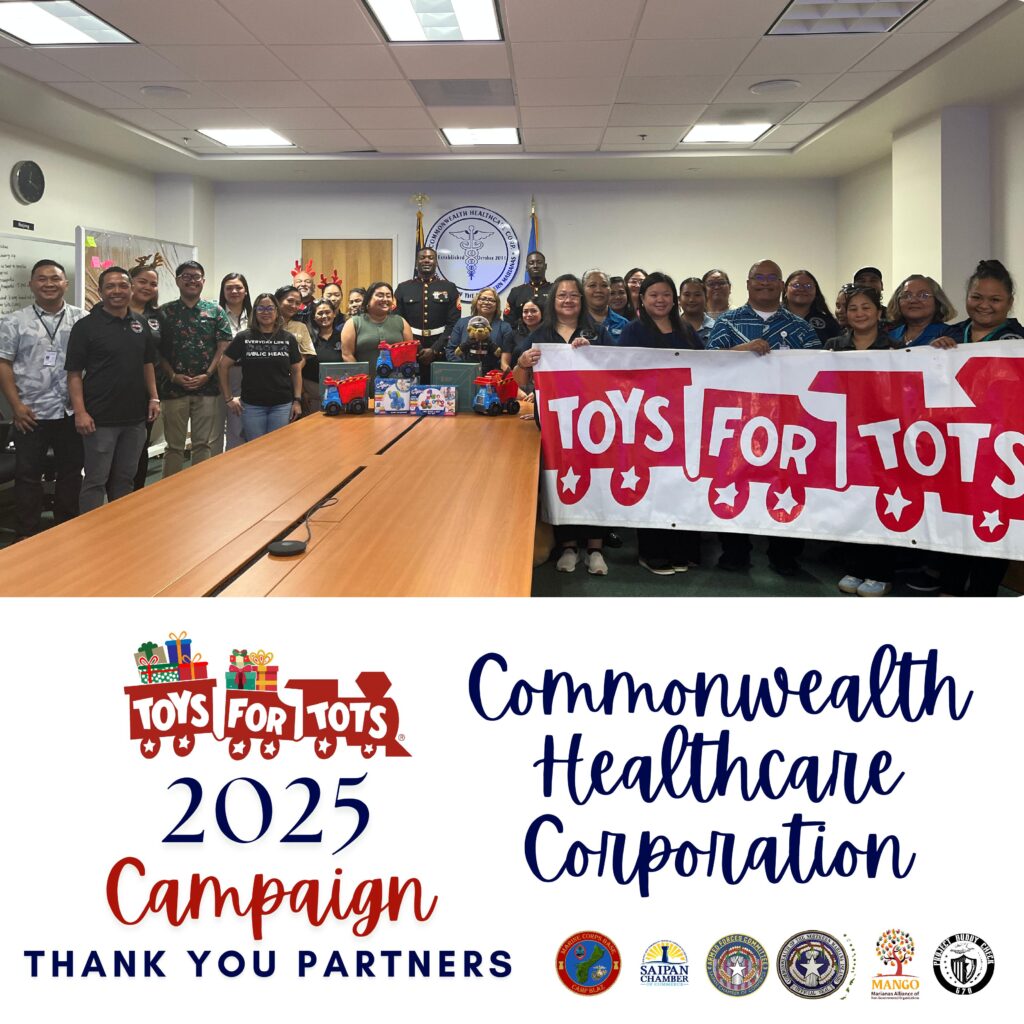
SAIPAN— The Saipan Chamber of Commerce collected 2,628 toys and $1,458.09 in monetary donations through its 2025 Toys for Tots campaign, distributing gifts to children across the island through five partner agencies.
The campaign, conducted in collaboration with U.S. Marine Corps Camp Blaz, the Commonwealth Bureau of Military Affairs, the SCC Armed Forces Committee, the Marianas Alliance of Non-Governmental Organizations and Project Buddy Check 670, united 65 toy drop-off locations across Saipan’s private and public sectors.
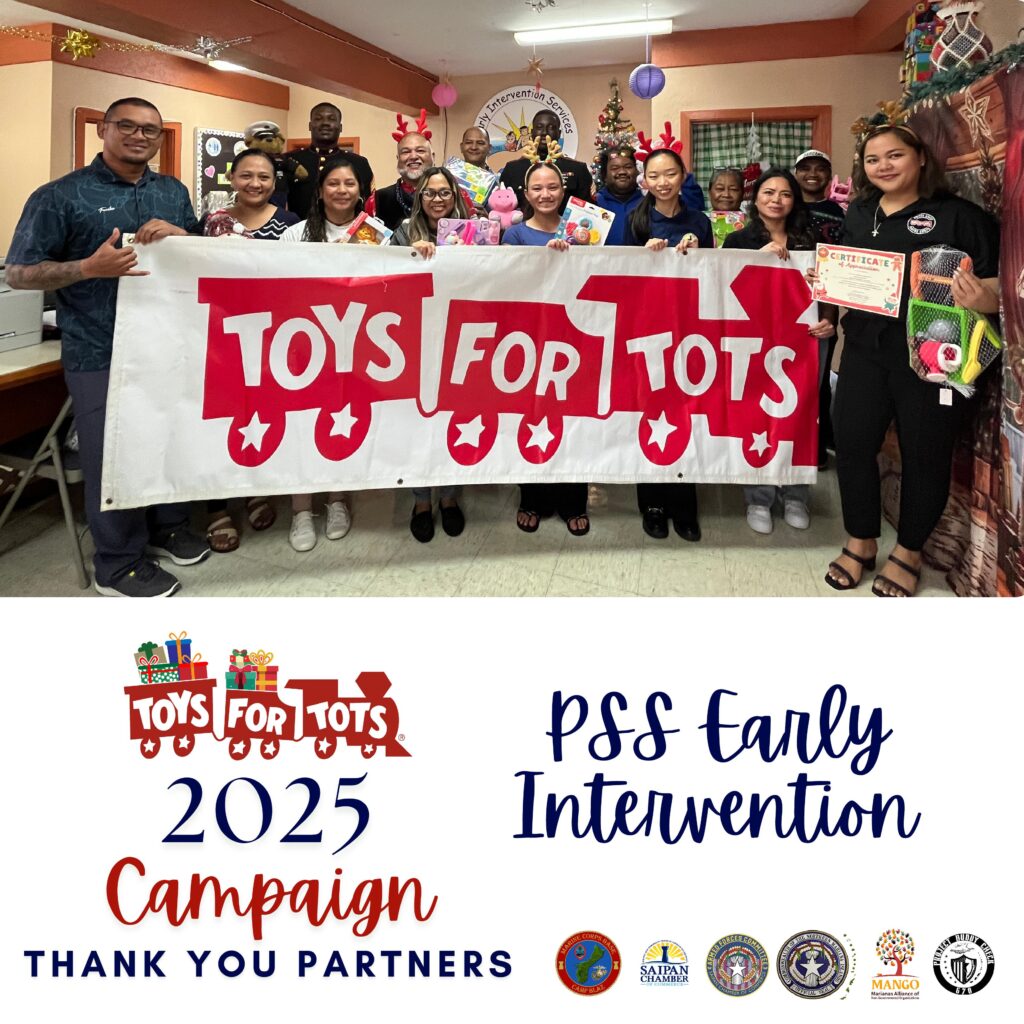
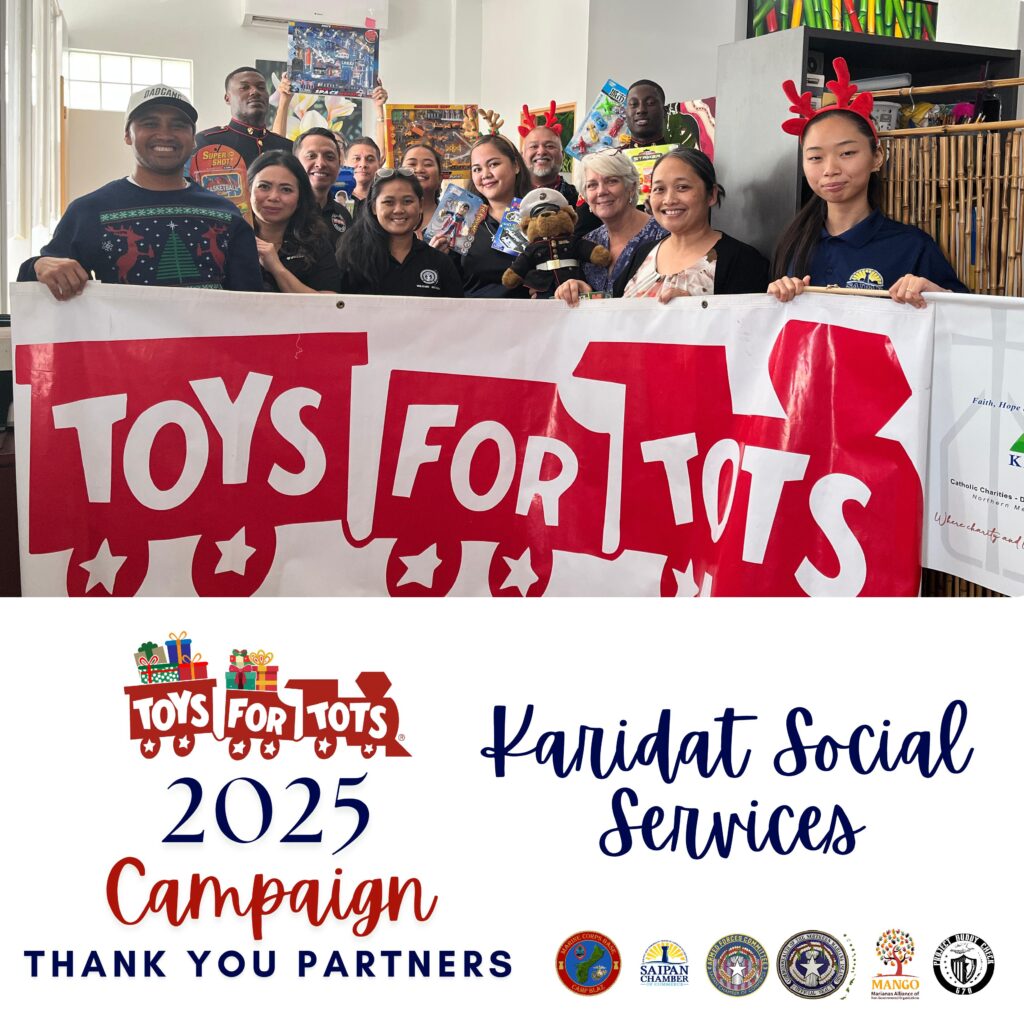
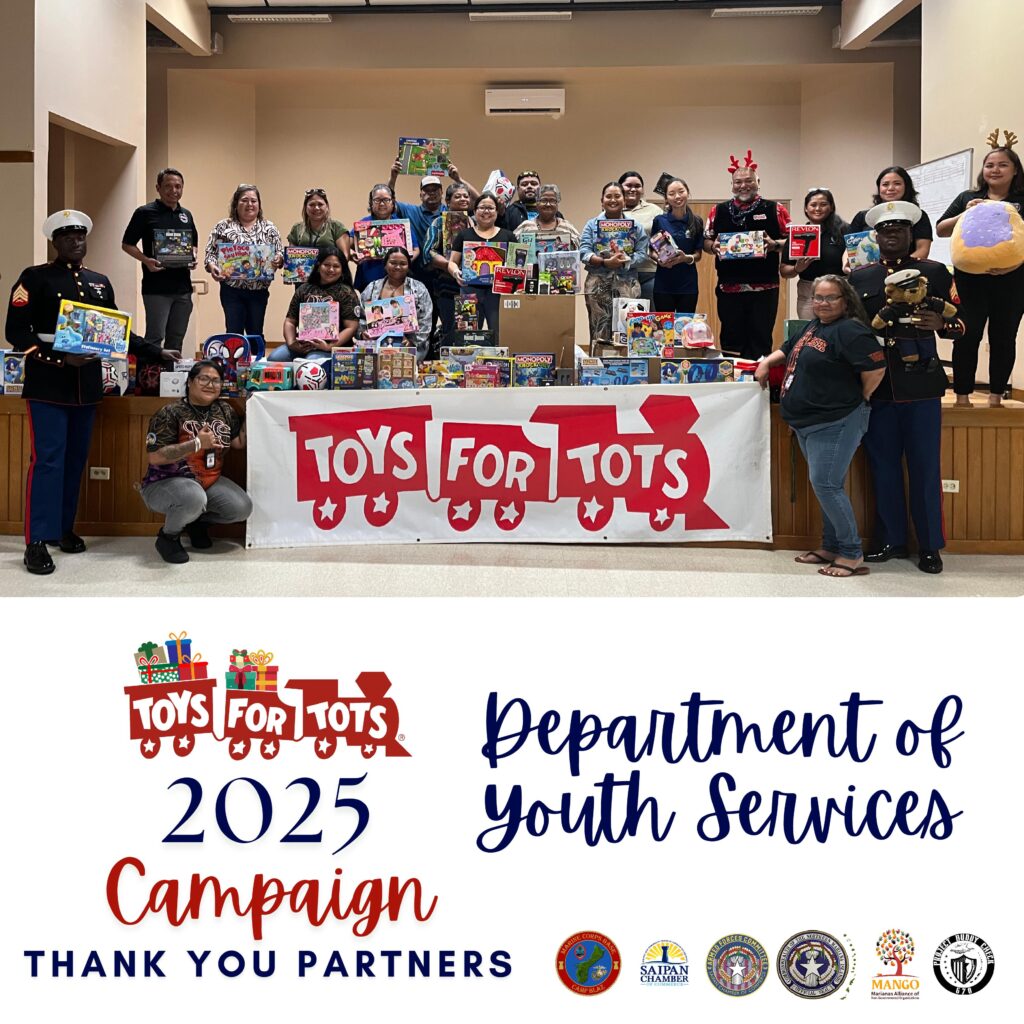
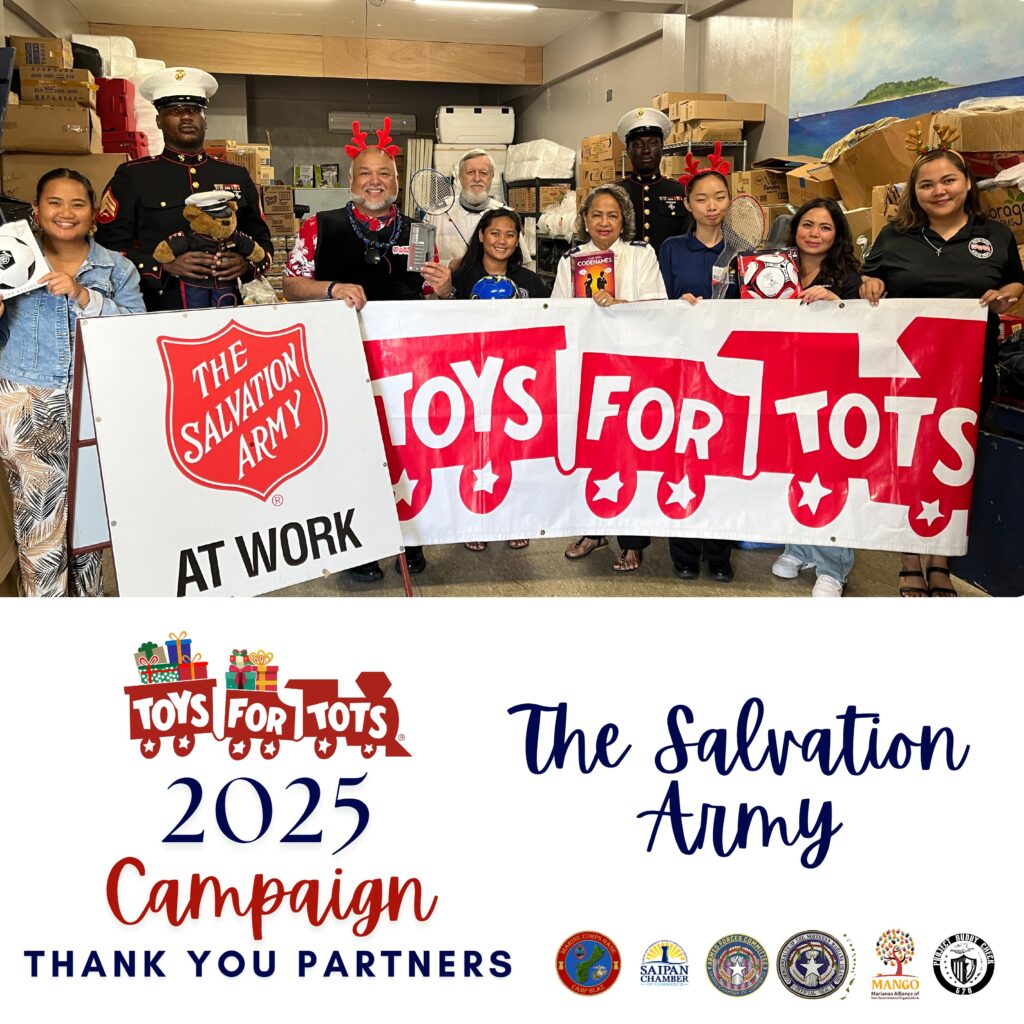
Toys were distributed Dec. 17 to PSS Early Intervention, Commonwealth Health Care Corporation, Karidat Social Services, The Salvation Army and the Department of Youth Services.
“Our goal each year is simple but powerful, to ensure every child in the Marianas receives a gift and feels the warmth of our community during the holidays,” said SCC Executive Director Kimm Camacho. “The overwhelming support from our businesses, partners, volunteers, and military community reflects the true spirit of hope, unity, and compassion that defines the CNMI.”
For many children, these toys represented the only gift they would receive this holiday season, according to the chamber.
Participating drop-off sites included businesses such as Bank of Guam, Bank of Hawaii, Bank of Saipan, BankPacific, Docomo Pacific CNMI, IT&E CNMI, Joeten Hafa Adai Shopping Center and Marianas Variety, among others.
Government offices including the Governor and Lt. Governor’s Office, Commonwealth Ports Authority, Department of Public Safety, Marianas Visitors Authority and multiple other CNMI agencies also served as collection points.
“Christmas is a special time of the year when joy and cheer is shared amongst the community,” said Brien S. Nicholas Jr., acting special assistant of CBMA. “CBMA, in coordination with the Offices of the Governor and Lt. Governors are grateful to the Marine Corps and Saipan Chamber for making this holiday season one of remembrance for all who participated.”
The campaign transformed workplaces, storefronts, government offices and community hubs into collection centers. Volunteers collected, sorted and prepared donations for distribution.