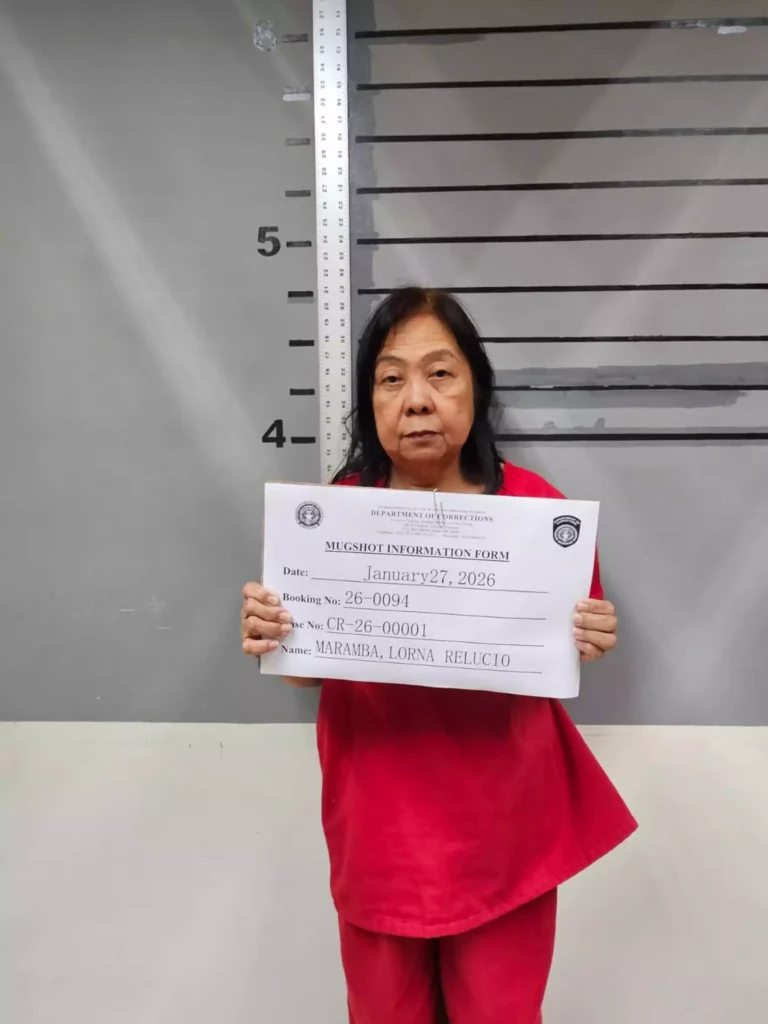
SAIPAN — A 64-year-old Philippine national who had been living illegally on Saipan was sentenced Monday in federal court for possession of fraudulent U.S. Permanent Resident Cards and was deported to the Philippines the same day.
Lorna R. Maramba was sentenced by U.S. District Judge Ramona V. Manglona to credit for time served on a charge of possession of a false identification document with intent to defraud the United States. The court also ordered Maramba to pay a $25 special assessment fee.
Court documents show that on January 21, Maramba attempted to depart Saipan for Hawaii through the Francisco C. Ada Saipan International Airport. During an outbound inspection, she presented two fraudulent U.S. Permanent Resident Cards to Customs and Border Protection officers. The cards contained different biographical information, mismatched USCIS numbers, and distorted or blurred photographs.
Maramba initially claimed to be a lawful permanent resident, but record checks revealed she had no legal immigration status and had overstayed a CNMI-Only Transitional Worker visa that expired in 2020. She later admitted the cards were counterfeit and told investigators she had paid $2,000 to a man she met on Facebook who falsely claimed to be a U.S. immigration officer. She said she intended to use the documents to reach Hawaii to seek employment.
“The CNMI benefits from special provisions in federal immigration law that promote economic relief,” said U.S. Attorney Shawn N. Anderson. “Our office will continue to aggressively enforce any violations. This case sends a message of zero tolerance to those who take advantage of these provisions to deprive citizens in other jurisdictions of employment opportunities.”
“HSI Saipan protects the community by investigating fraud and other crimes that threaten our security. Working alongside CBP and other partners, we make sure those who break the law are identified and brought to justice,” said HSI Special Agent in Charge Lucia Cabral-DeArmas.
The case was investigated by Homeland Security Investigations and prosecuted by Assistant U.S. Attorney Eric S. O’Malley.