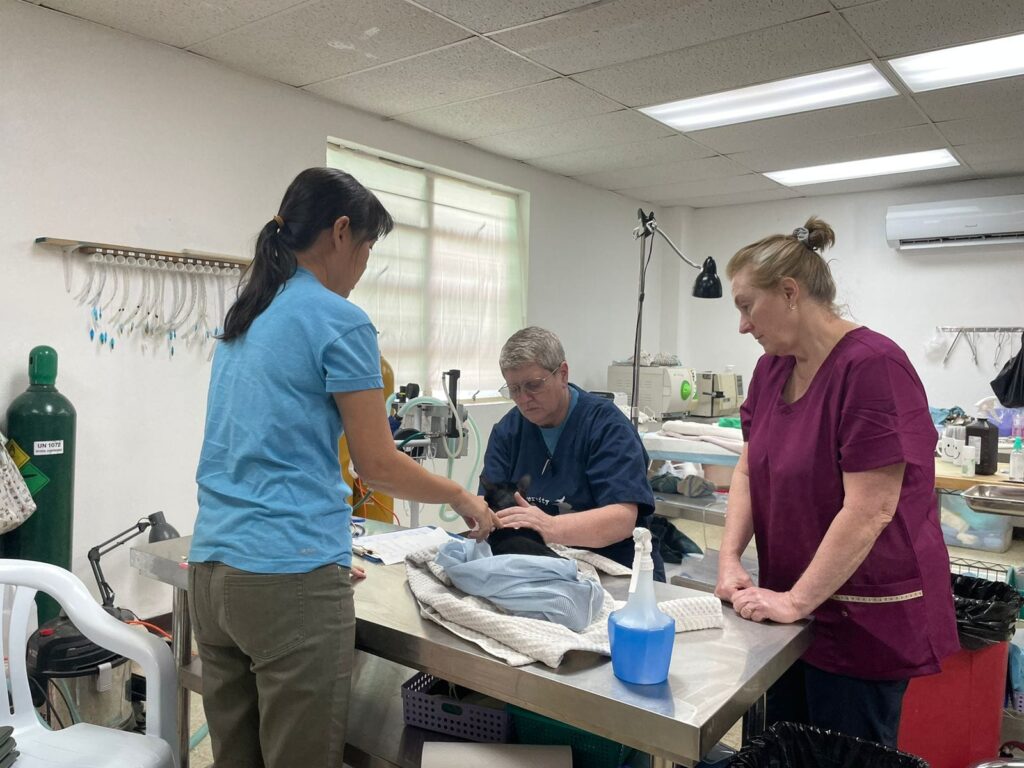
Leftovers, trash, decorations, and well-meaning guests can quickly turn into an emergency visit.
Thanksgiving is over, but the holiday hazards for pets are just getting started. Every year, veterinary clinics see a spike in emergency visits in the days after the big meal. The reasons are almost always the same: leftovers, decorations, and guests who mean well but don’t know better. Here’s what to watch for as you settle into the holiday season—and what to do if your pet gets into trouble.
Thanksgiving is the one holiday that I will not be working at the ER this year. That means I’ll be at home with my own animals, hoping to avoid any emergencies—and hoping you can, too.
The biggest culprit is food. Turkey bones, rich gravies, stuffing, and desserts are all dangerous for dogs and cats. Bones—even small ones—can splinter and cause choking, blockages, or tears in the digestive tract. Cooked bones are especially brittle. If your dog or cat manages to steal a bone, don’t wait for symptoms. Call your veterinarian right away. Early intervention can mean the difference between a minor scare and a major surgery.
Turkey string is another classic post-holiday problem. The string used to truss the turkey soaks up juices and smells irresistible to pets. Dogs and even some cats will dig it out of the trash or off the counter. If swallowed, string can cause dangerous intestinal blockages or even cut through the intestines—a life-threatening emergency. If you suspect your pet has eaten turkey string, call your vet immediately. Do not wait for vomiting or other symptoms.
Fatty foods are another problem. Turkey skin, gravy, butter, and anything fried can trigger pancreatitis, a painful and sometimes life-threatening inflammation of the pancreas. Signs include vomiting, diarrhea, belly pain, and lethargy. Pancreatitis can come on suddenly and escalate quickly. If your pet seems off after a fatty meal, don’t “wait and see.” Call for advice.
Stuffing and casseroles may contain onions, garlic, raisins, grapes, or certain spices—all toxic to pets. Even small amounts of these foods can cause serious problems, from anemia (onions/garlic) to kidney failure (grapes/raisins). If you suspect your pet has eaten any of these, call your vet or an animal poison control hotline immediately. Timing matters.
Chocolate and xylitol (a sugar substitute found in sugar-free gum and some baked goods) are especially dangerous. Chocolate can cause vomiting, tremors, seizures, and even death, while xylitol can trigger a rapid, severe drop in blood sugar and liver failure. Keep all desserts and candy out of reach, and make sure children and guests know the rules. Don’t forget about the trash. After a big holiday meal, the garbage is often full of tempting hazards: bones, string, foil, skewers, and food scraps. Dogs are notorious for dumpster diving, and even cats will investigate if something smells interesting. Secure your trash in a covered can, and take it out promptly. If you catch your pet rooting through the garbage, monitor for signs of distress—vomiting, loss of appetite, pain, or lethargy—and call your vet if you see anything out of the ordinary.
Decorations and holiday plants are another risk. Tinsel, ribbon, and string can cause intestinal blockages if swallowed, especially in cats. Christmas lilies, poinsettias, and holly are toxic to varying degrees. Even non-toxic plants can cause stomach upset. Keep decorations and plants well out of reach, and consider skipping tinsel altogether if you have a curious cat.
Guests can be a hazard, too—especially if they aren’t used to pets. Well-meaning friends may slip your dog a treat under the table or leave a purse with medications within reach. Remind your visitors not to feed your pets, and keep bags, coats, and medications stowed away. If your pet is anxious around crowds or children, provide a quiet, safe space where they can retreat and relax.
Finally, watch the doors. With guests coming and going, it’s easy for a pet to slip out unnoticed. Make sure your pets have collars with up-to-date ID tags, and consider microchipping if you haven’t already. Double-check that gates and fences are secure before letting pets outside. If your pet does get into something they shouldn’t, don’t panic—but don’t delay, either. Call your veterinarian or an emergency clinic for advice. Have information ready: what your pet ate, how much, and when. Quick action is often the best medicine. The holidays should be a time for family, gratitude, and a little bit of rest—not an emergency trip to the animal hospital. With a little planning and some extra vigilance, you can keep your pets safe, healthy, and right where they belong: at home with you. I wish all a happy and safe howl-i-days.
MJ Wixsom, DVM MS is a best-selling Amazon author who practices at Guardian Animal Medical Center in Kentucky. GuardianAnimal.com She has volunteered at Saipan Cares, learned to dive while in Saipan and is headed back sometime in the future.