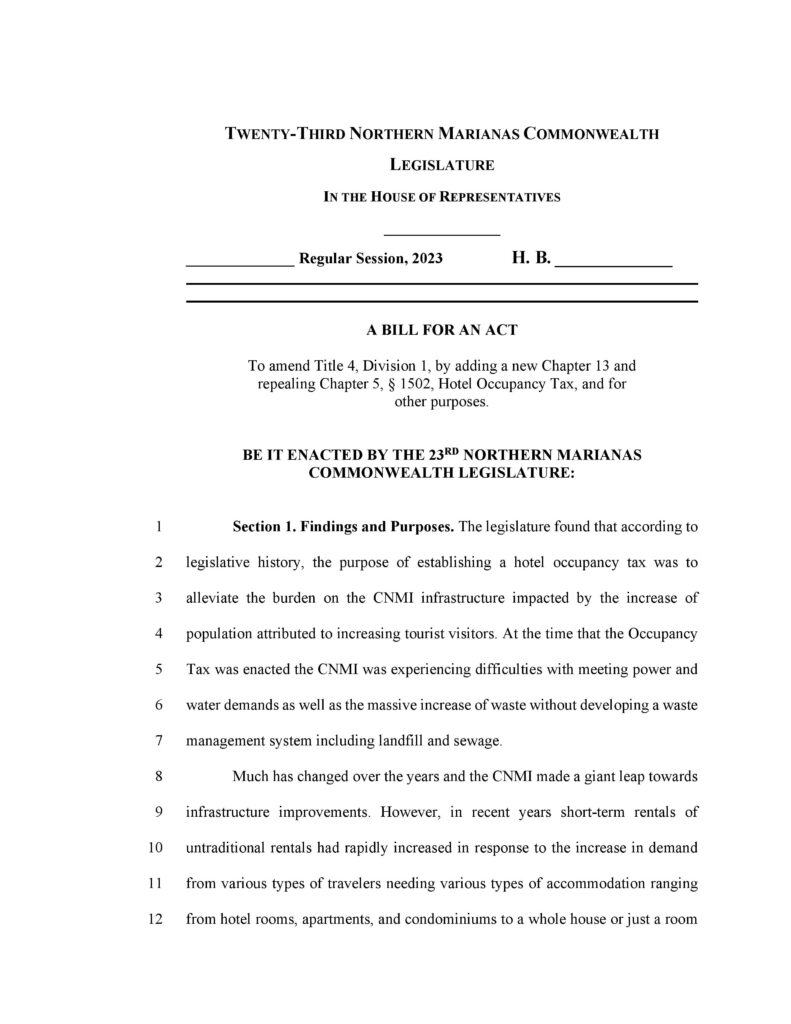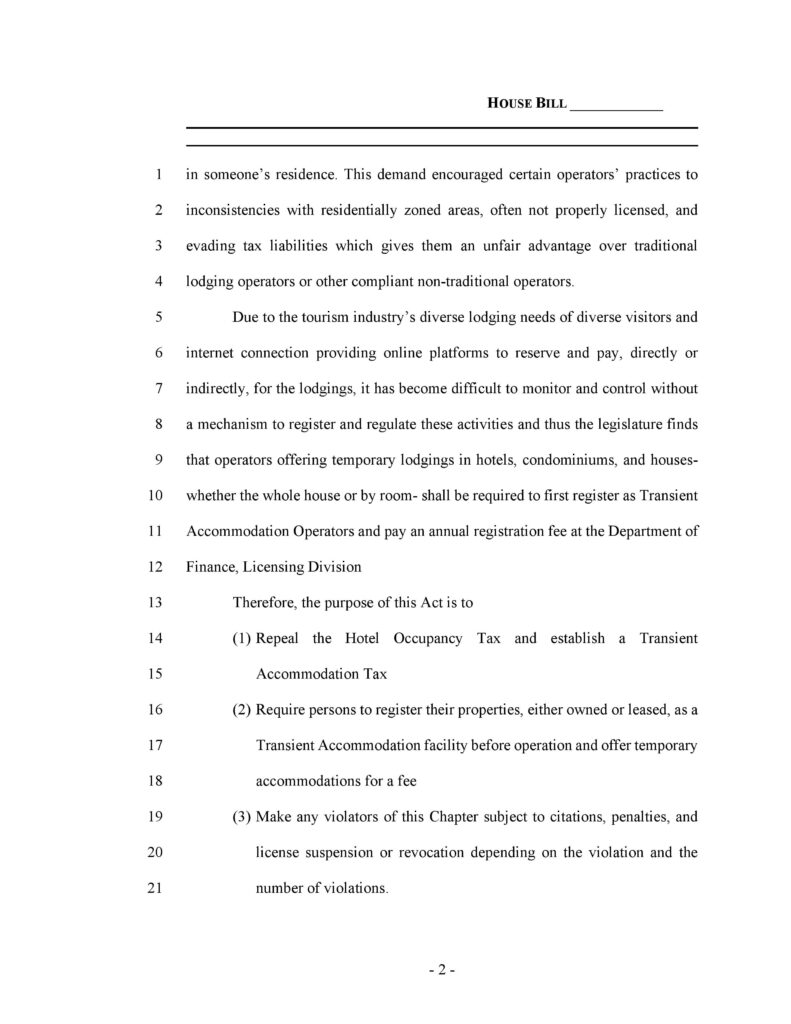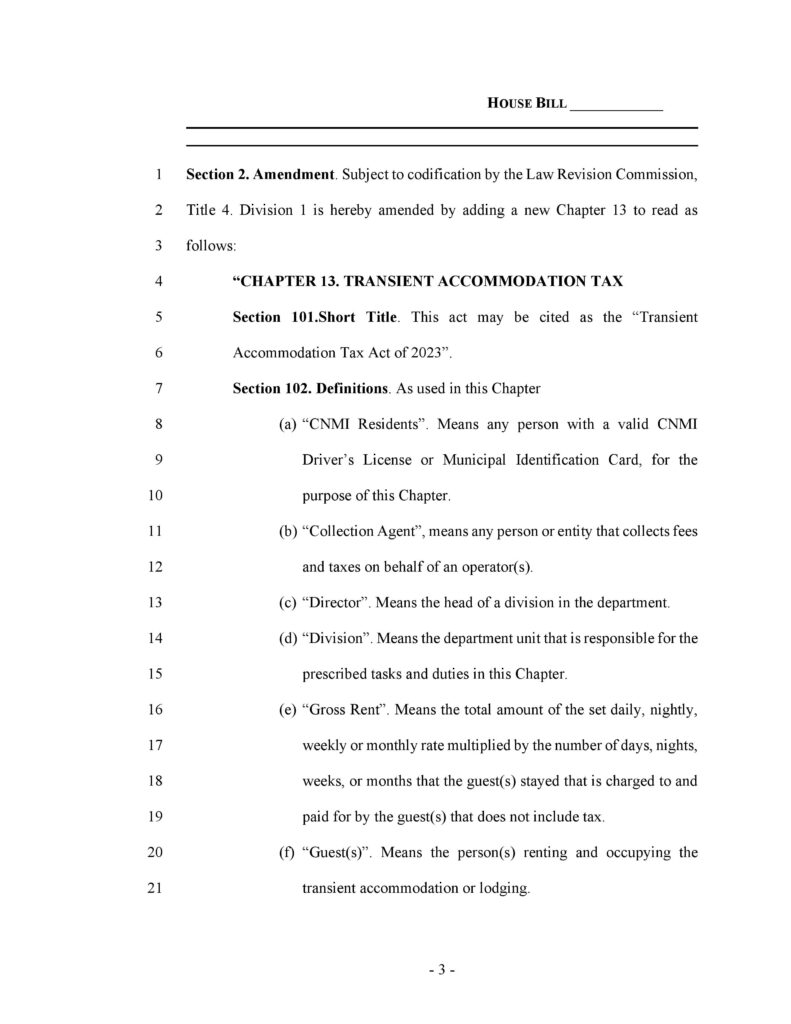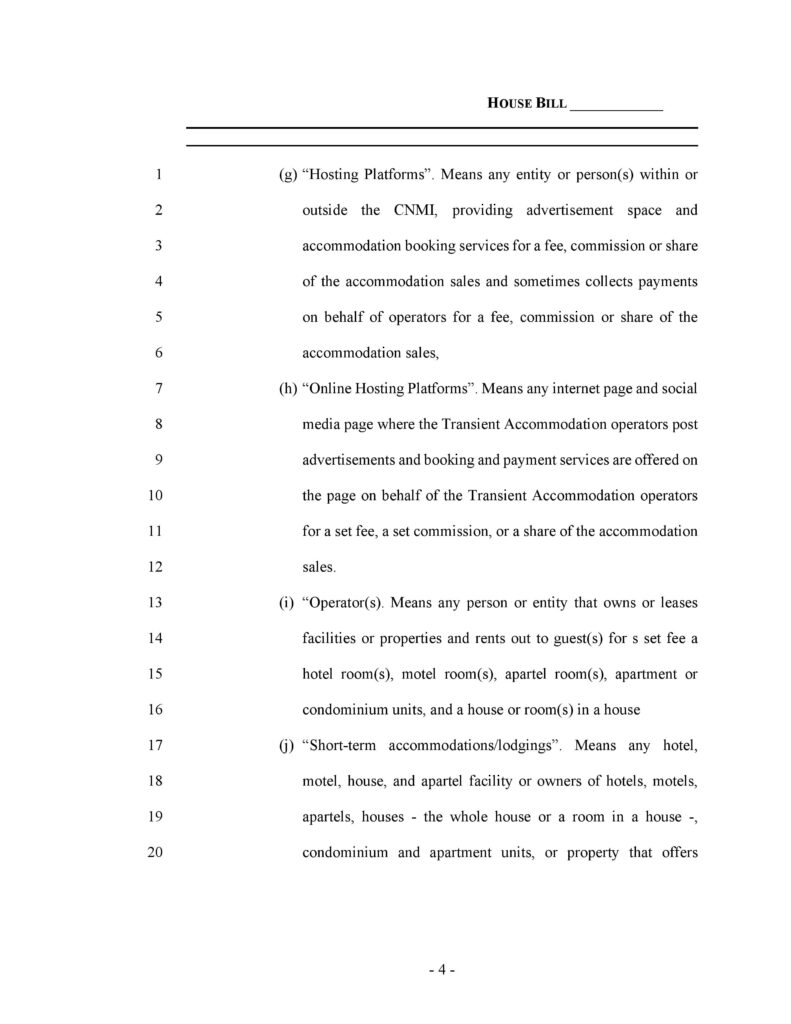
SAIPAN — A bill prefiled in the CNMI House of Representatives would scrap the existing hotel occupancy tax and replace it with a broader transient accommodation tax covering not just hotels but short-term rental properties listed on platforms like Airbnb and Vrbo.
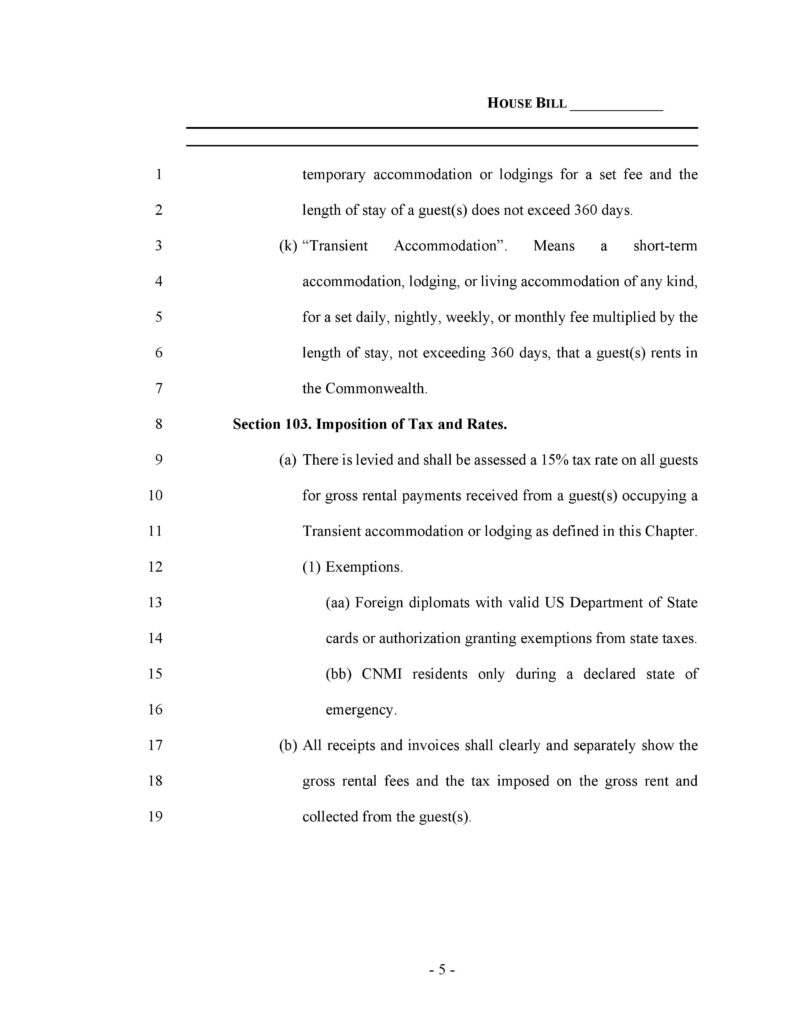
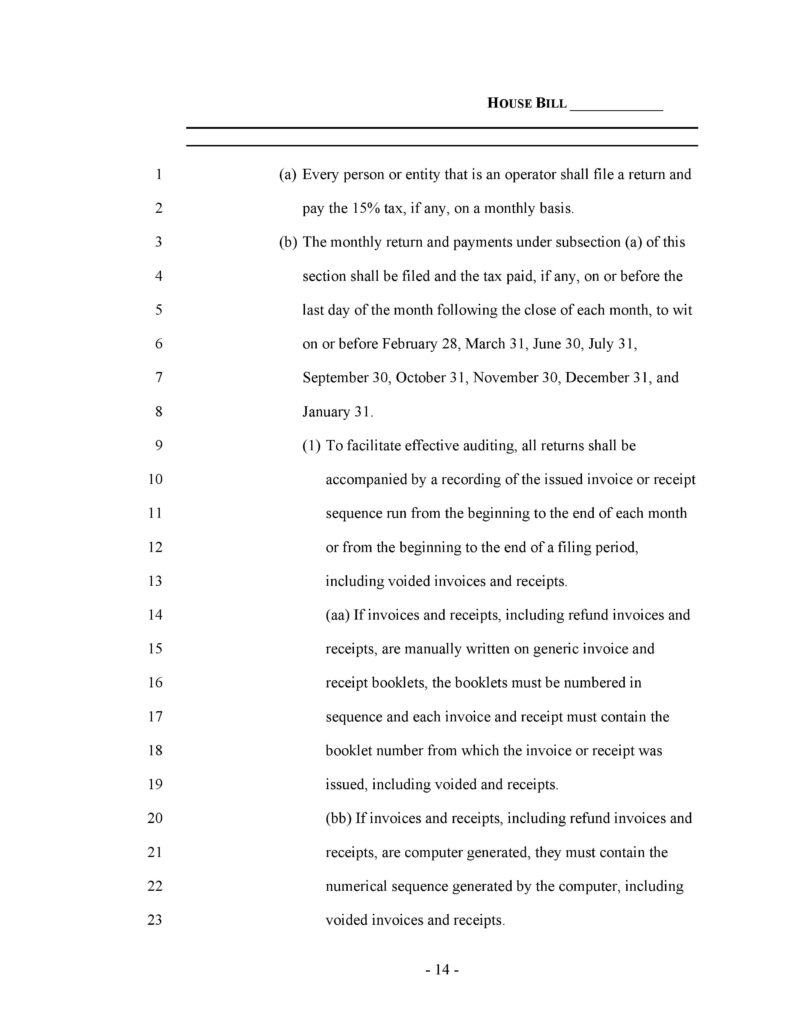
The legislation, introduced by Rep. Julie M. A. Ogo, would impose a 15 percent tax on gross rental payments collected from guests staying in any transient accommodation for up to 360 days. That umbrella covers hotel and motel rooms, apartments, condominium units, houses and individual rooms within a house.
The bill takes aim at what the legislature describes as an uneven playing field. Short-term rental operators, it argues, have proliferated in recent years while often operating without proper licenses, in residentially zoned areas, and without paying taxes, giving them a cost advantage over traditional lodging operators who do comply.
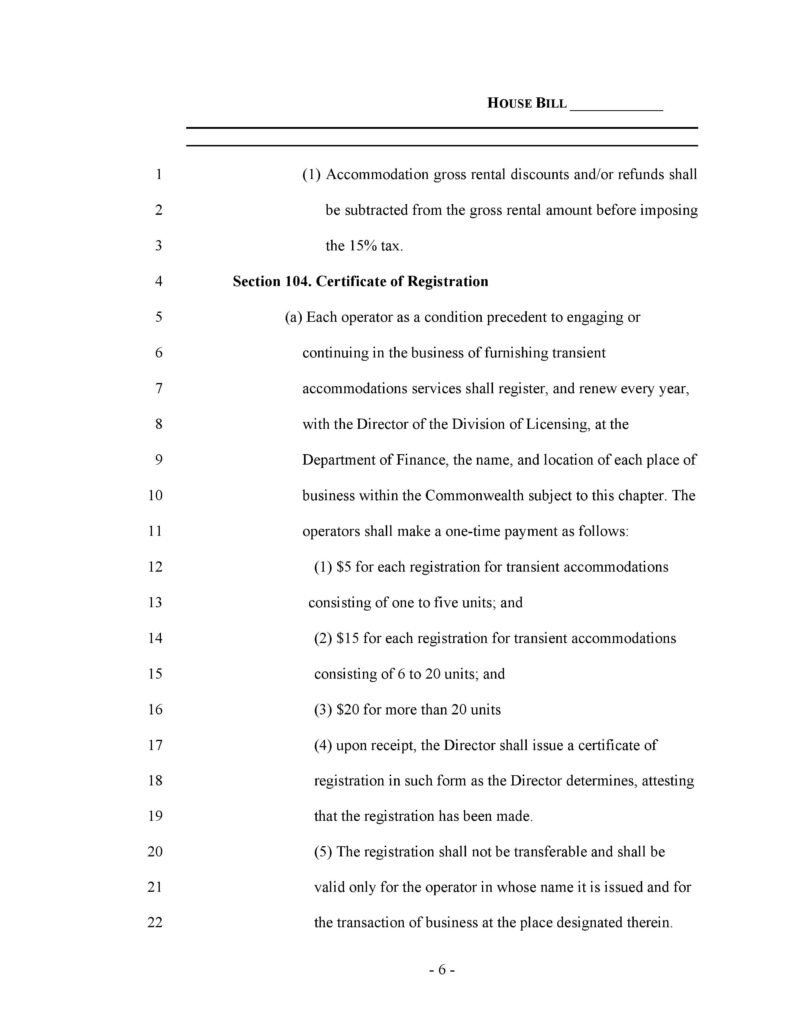
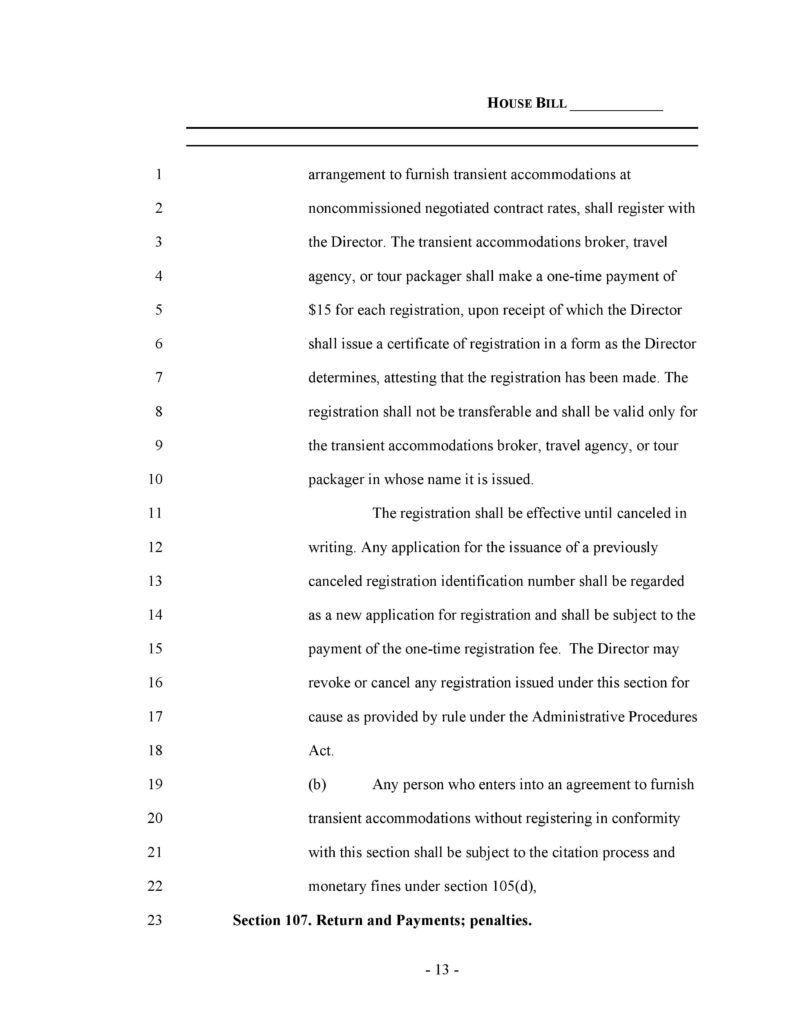
To close that gap, the bill would require all operators to register with the Department of Finance’s Licensing Division before taking in guests. Registration fees are modest, set at $5 for properties with one to five units, $15 for six to 20 units, and $20 for more than 20 units, with no additional fees for acquiring more units after the initial payment.
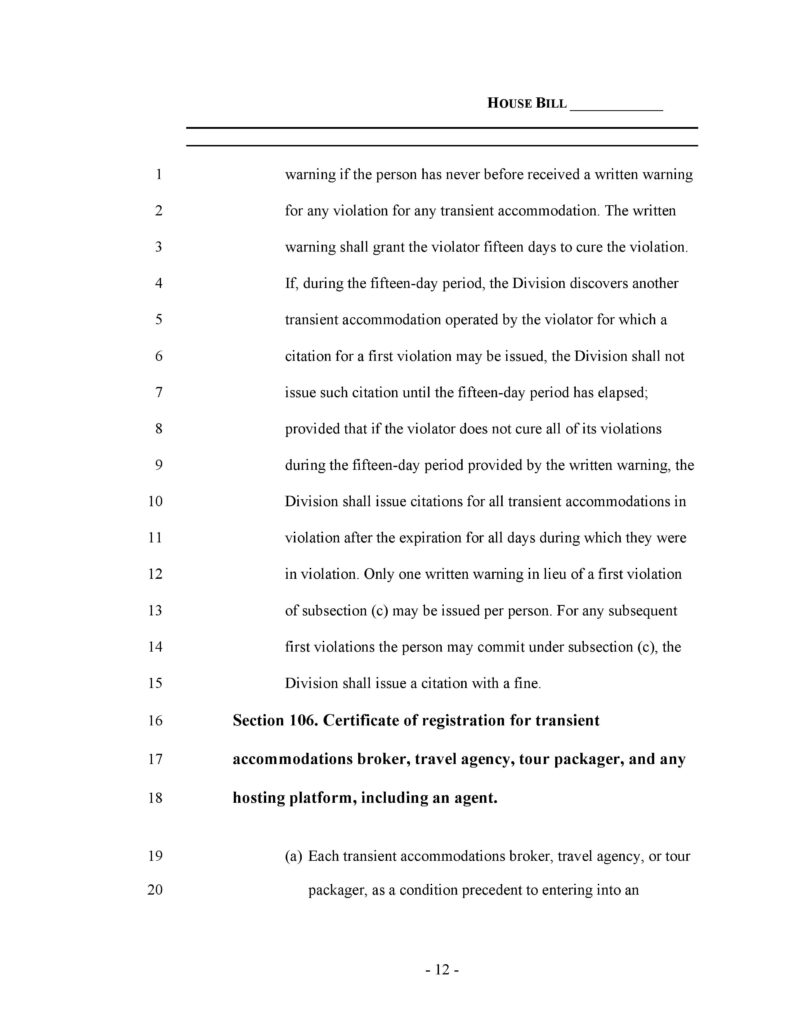
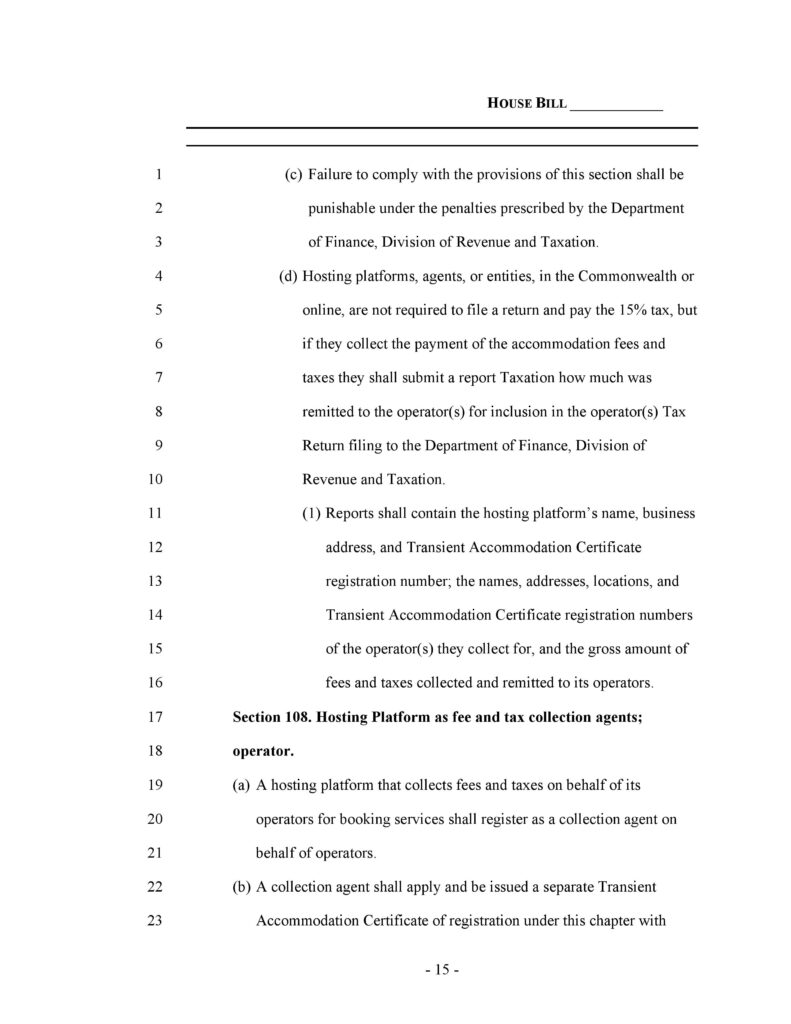
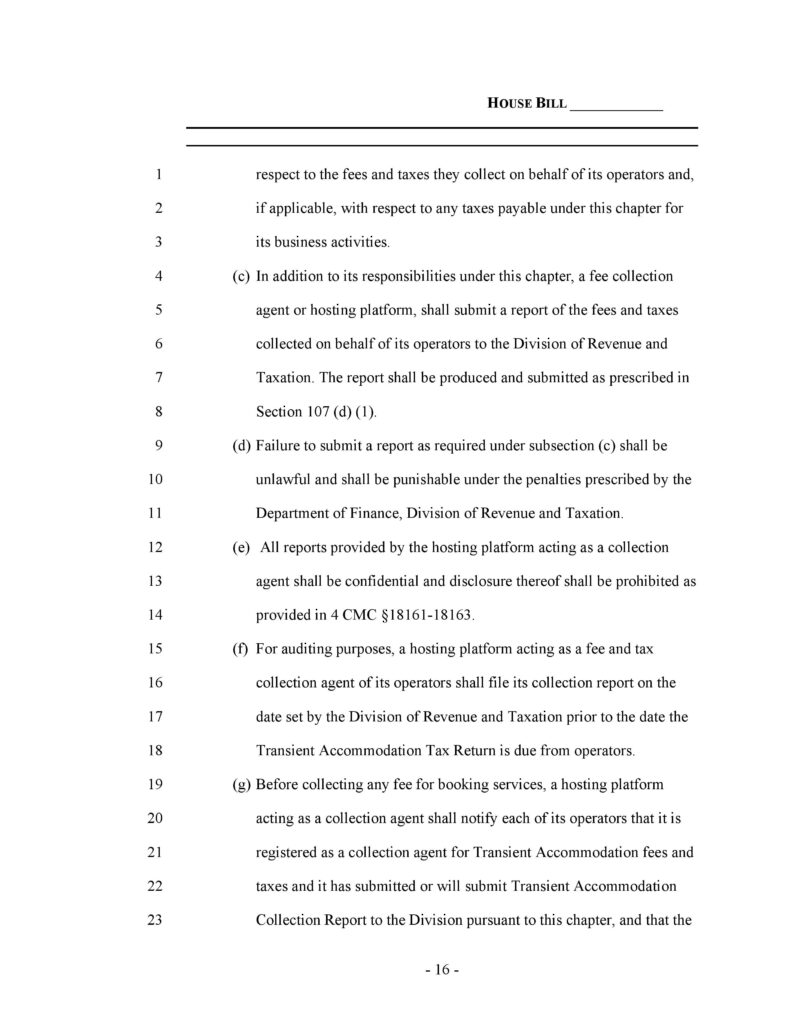
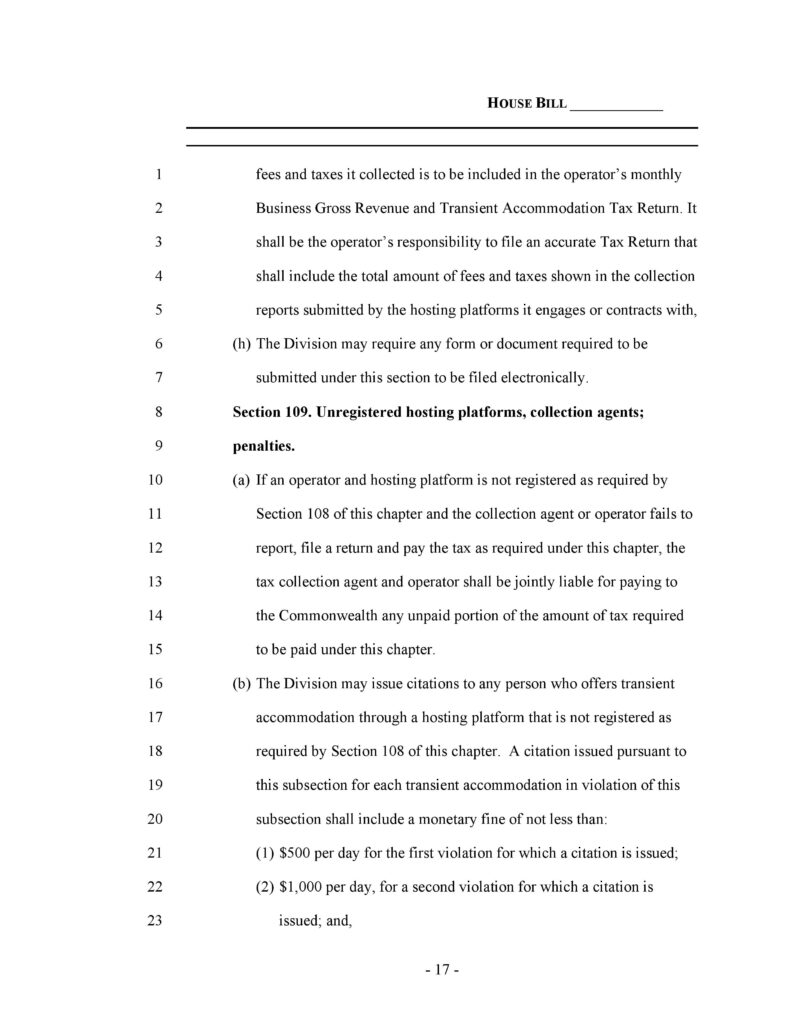
Hosting platforms and online booking services that collect fees on behalf of operators would also be required to register as collection agents and submit reports to the Division of Revenue and Taxation detailing how much was collected and remitted. Platforms that fail to register would be jointly liable with operators for any unpaid taxes.
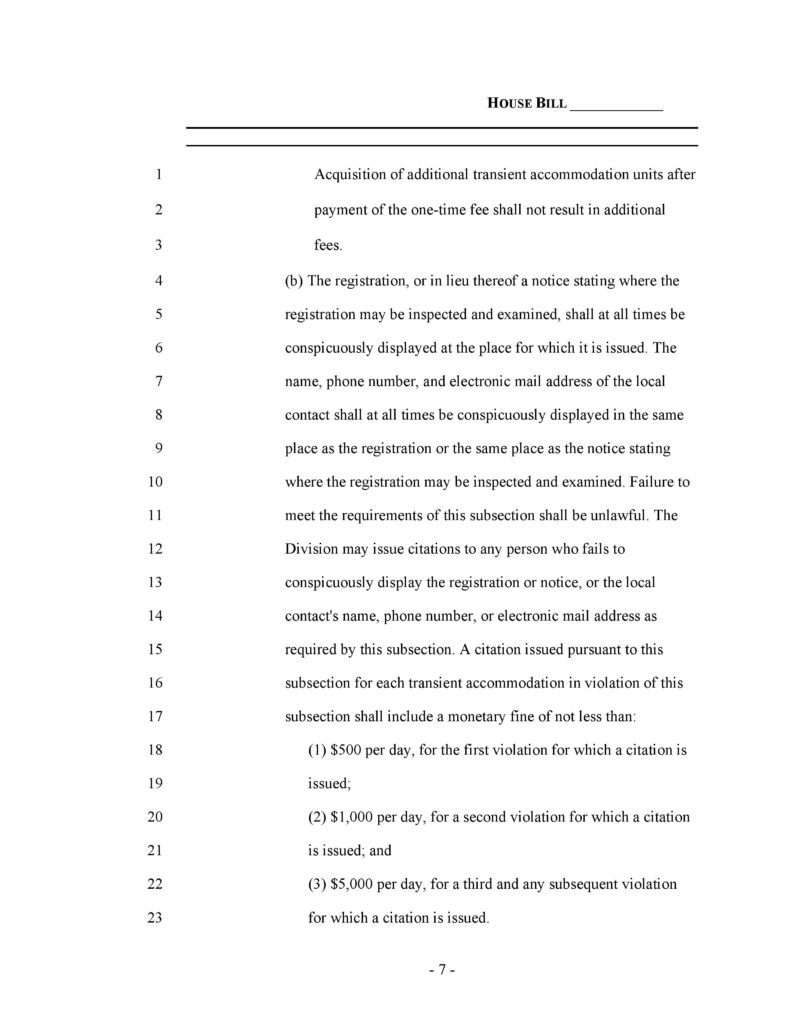
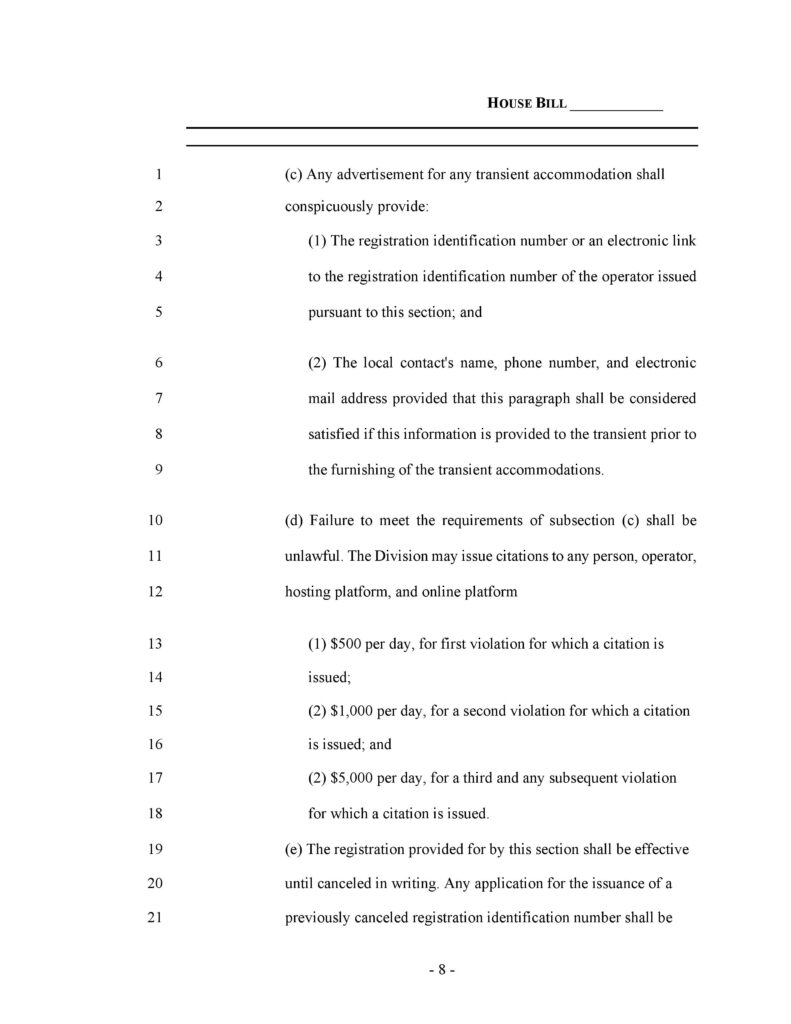
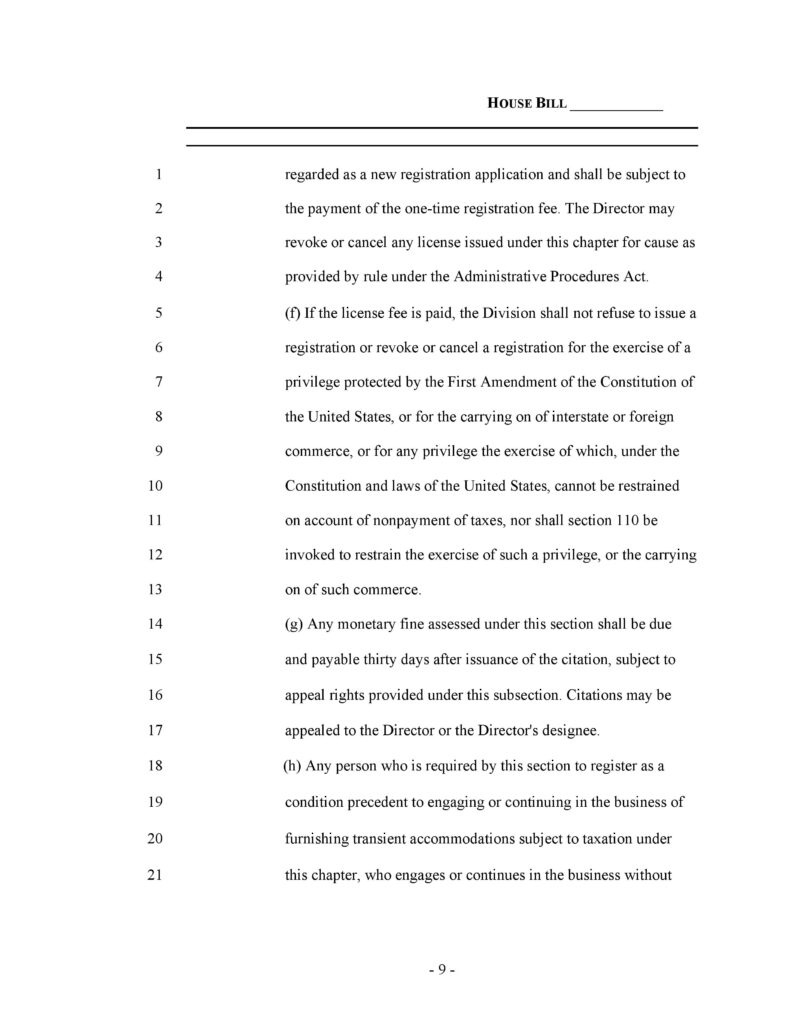
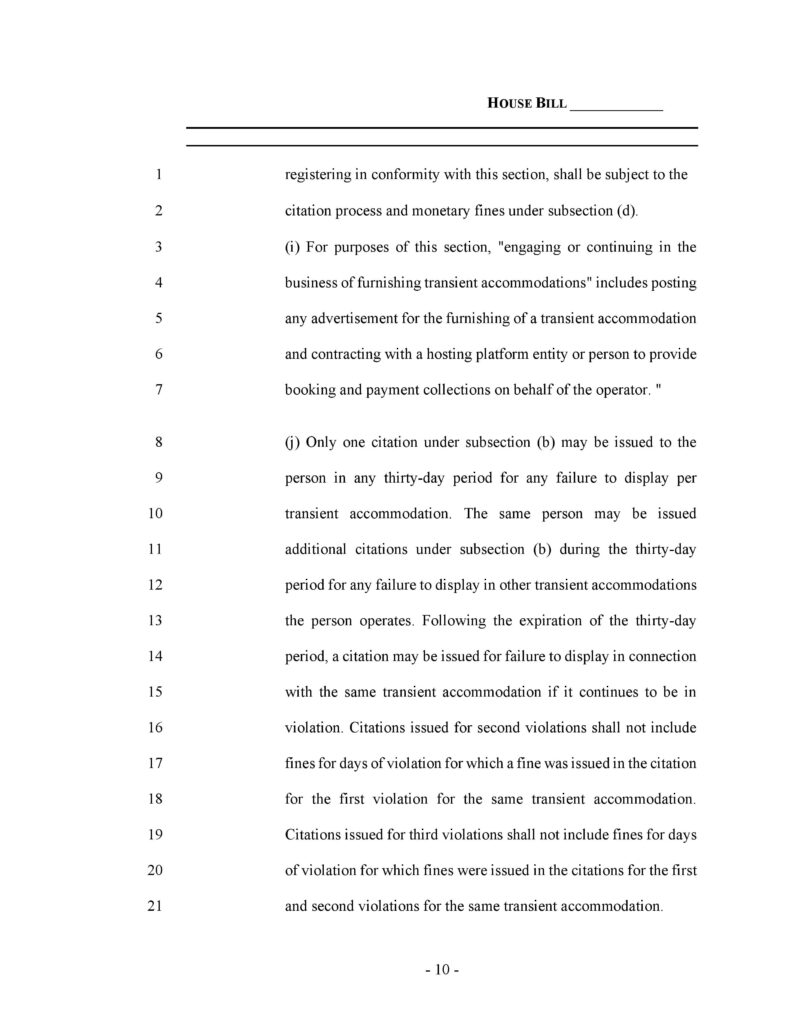
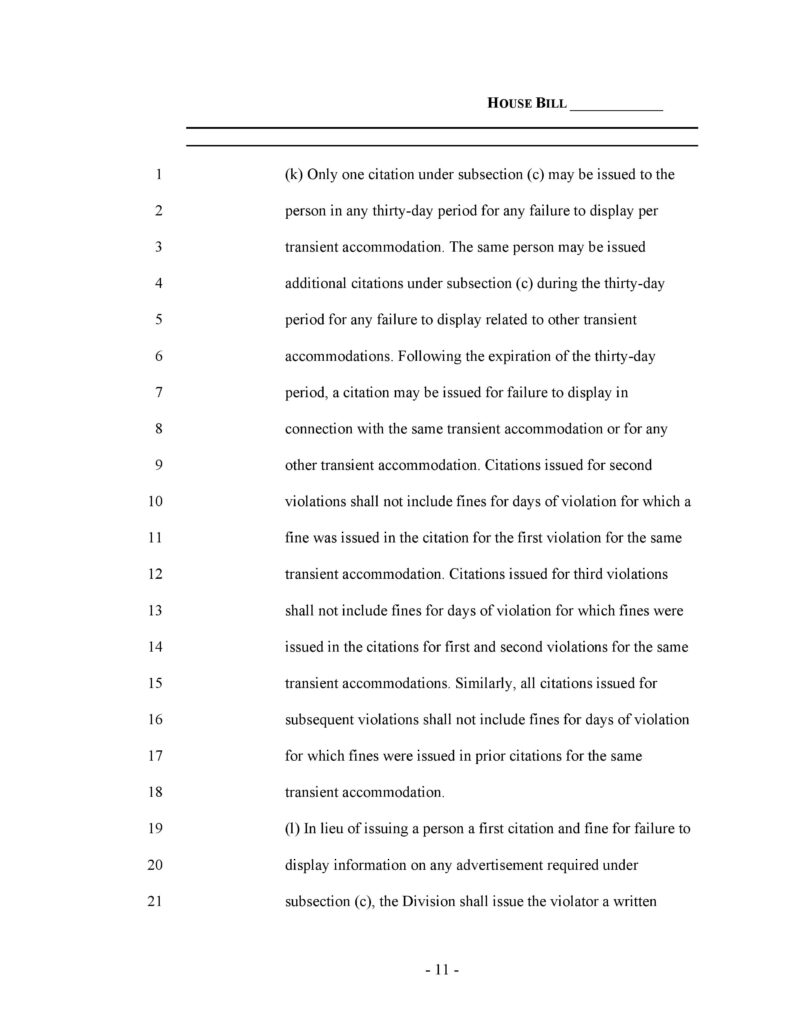
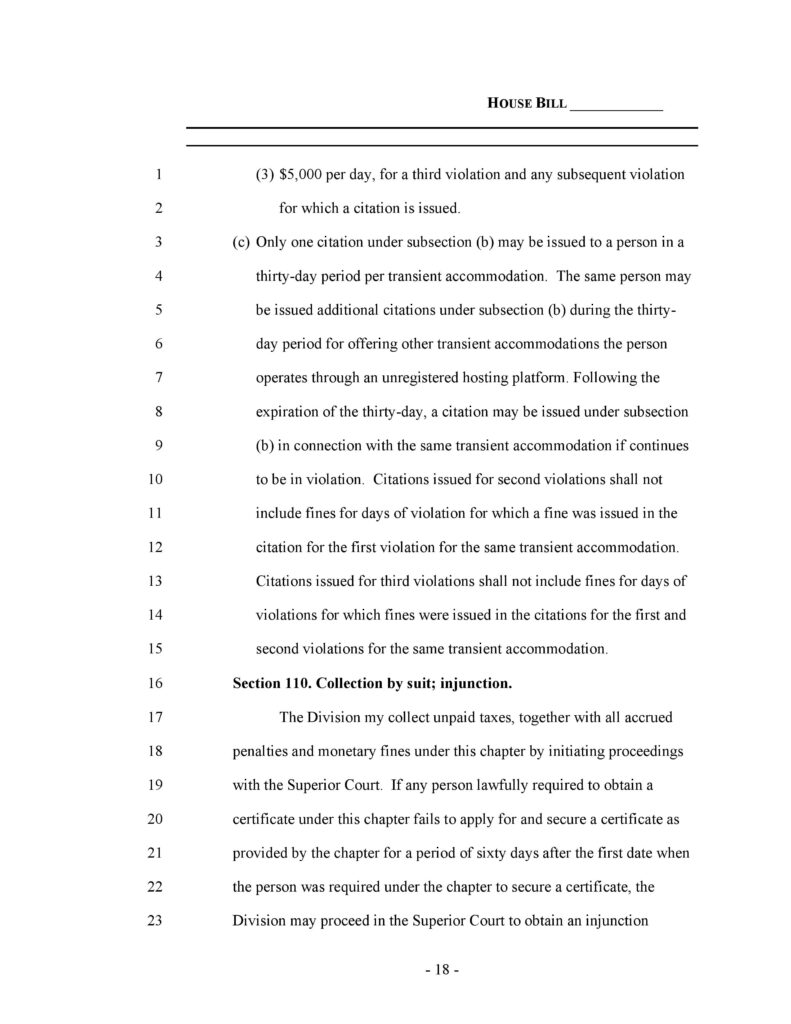
Penalties for noncompliance escalate with each violation. Operators who fail to conspicuously display their registration certificate face fines of $500 per day for a first violation, $1,000 per day for a second, and $5,000 per day for a third or subsequent violation. The same fine schedule applies to advertising without including a registration number.
The bill exempts foreign diplomats from the tax. CNMI residents would be exempt only during a declared state of emergency.
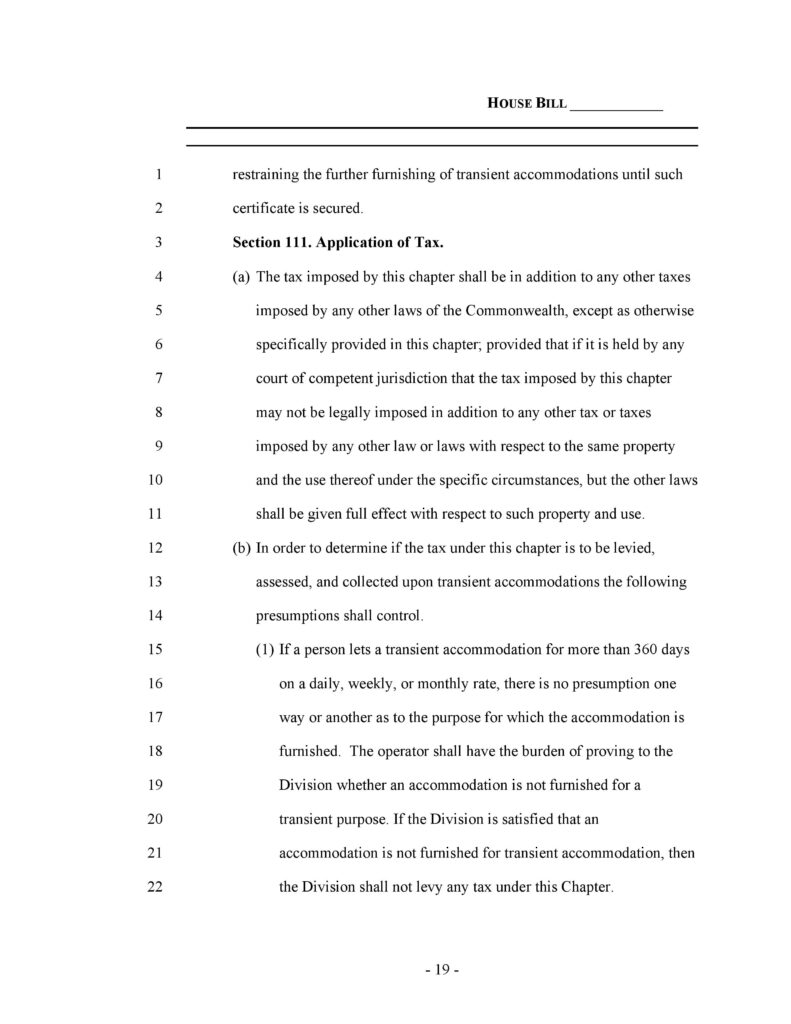
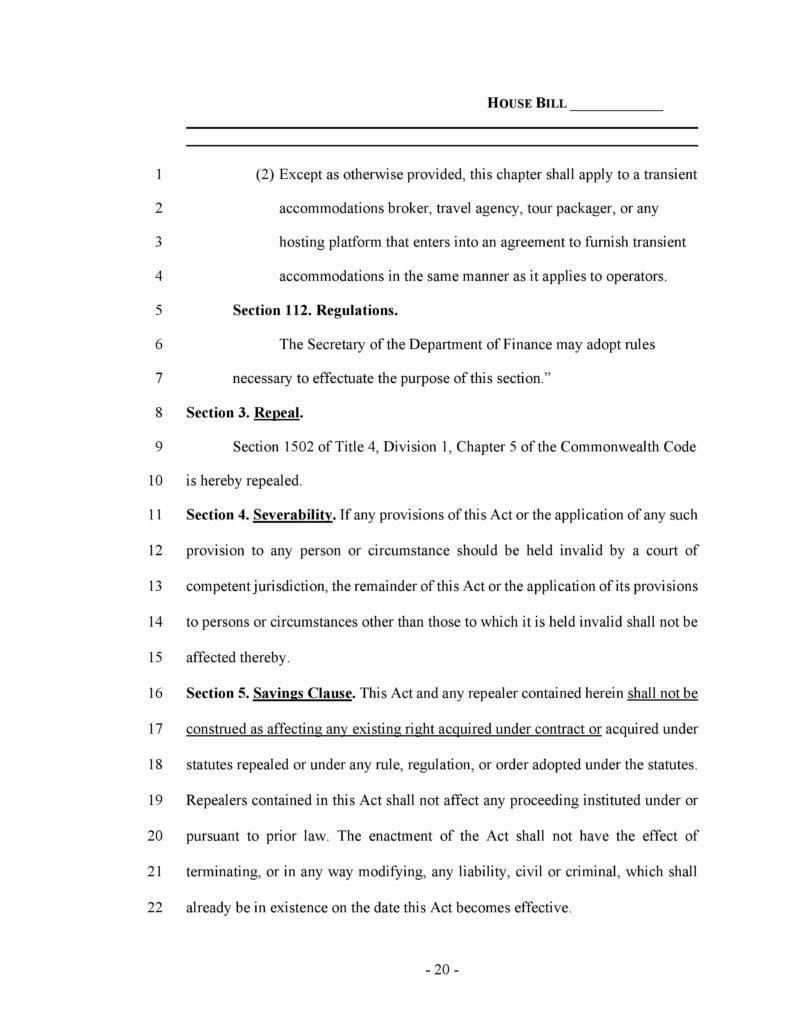
If passed, the legislation would repeal the existing hotel occupancy tax under Title 4, Division 1, Chapter 5 of the Commonwealth Code and replace it with the new framework. It takes effect upon the governor’s approval.
The bill was reviewed for legal sufficiency by House Legal Counsel and is now with the Senate.