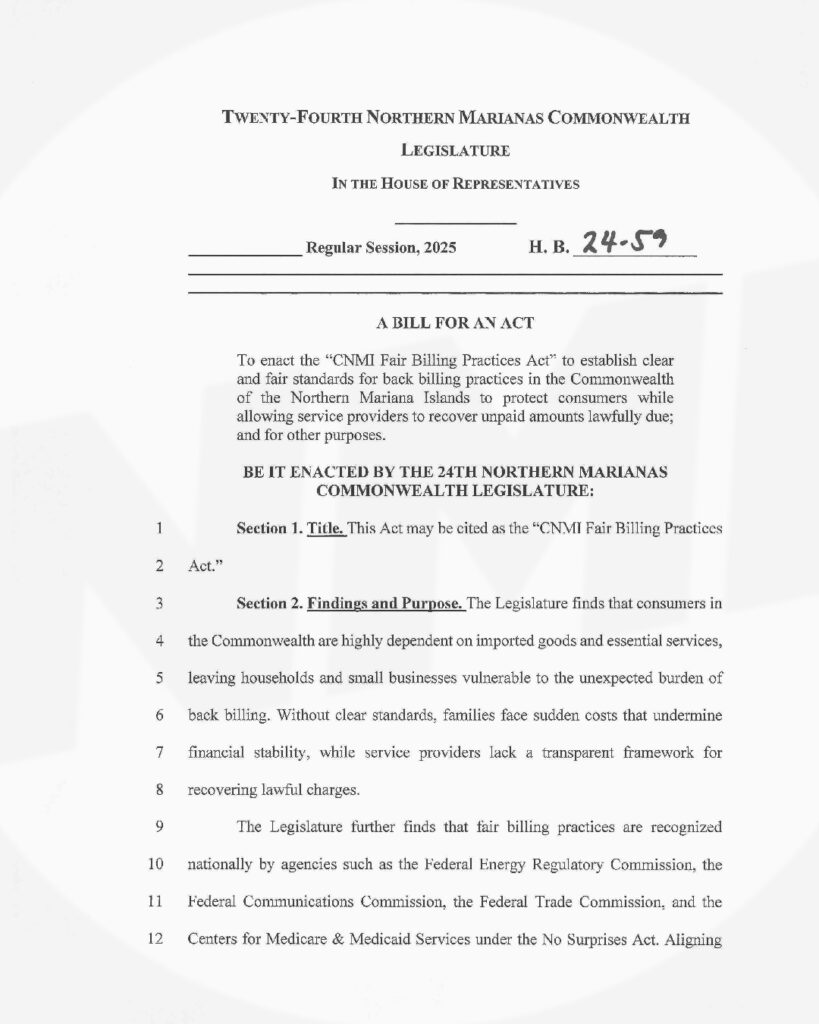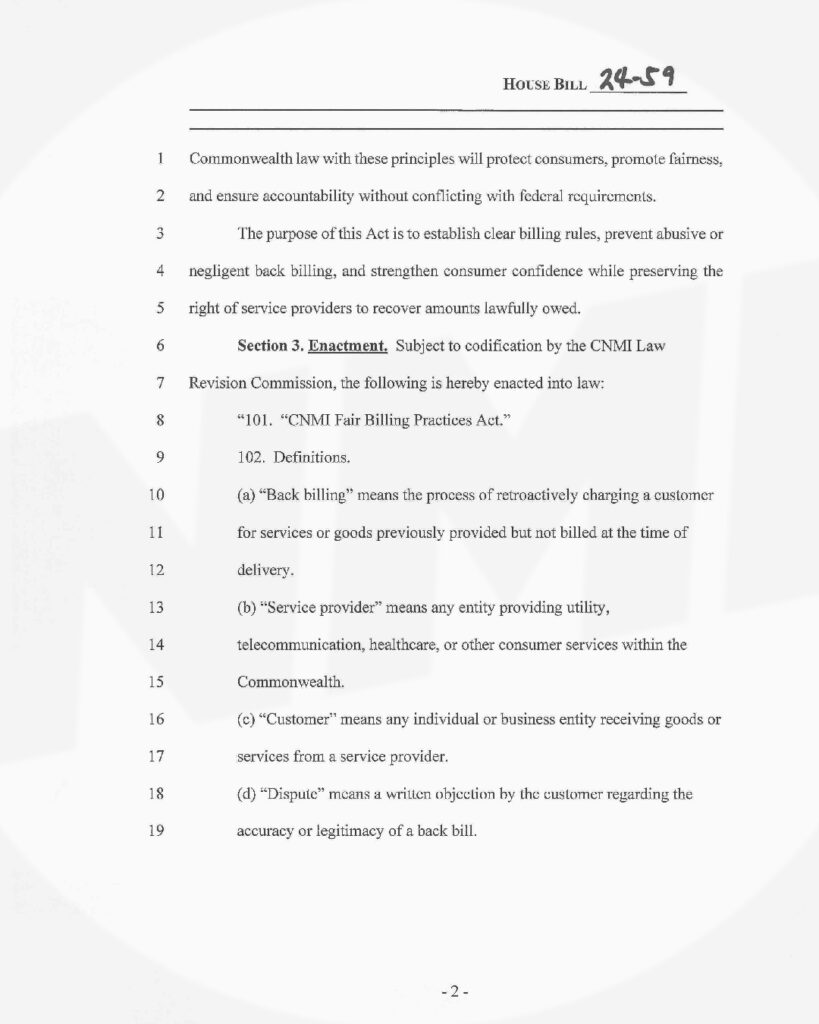
SAIPAN — House Bill 24-59, titled the “CNMI Fair Billing Practices Act,” would establish Commonwealth-wide rules for how and when providers can issue “back bills,” or retroactive charges for goods or services previously provided but not billed at the time.
The measure states its purpose is to protect consumers from unexpected retroactive charges while still allowing providers to recover amounts lawfully owed.
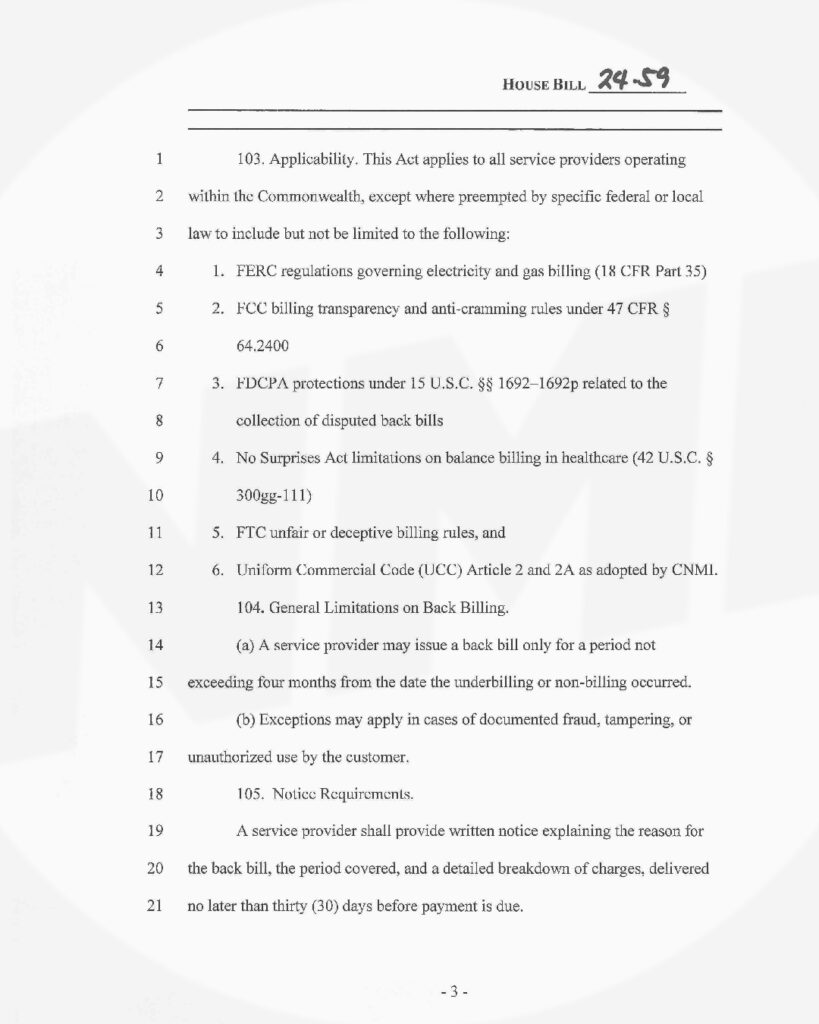
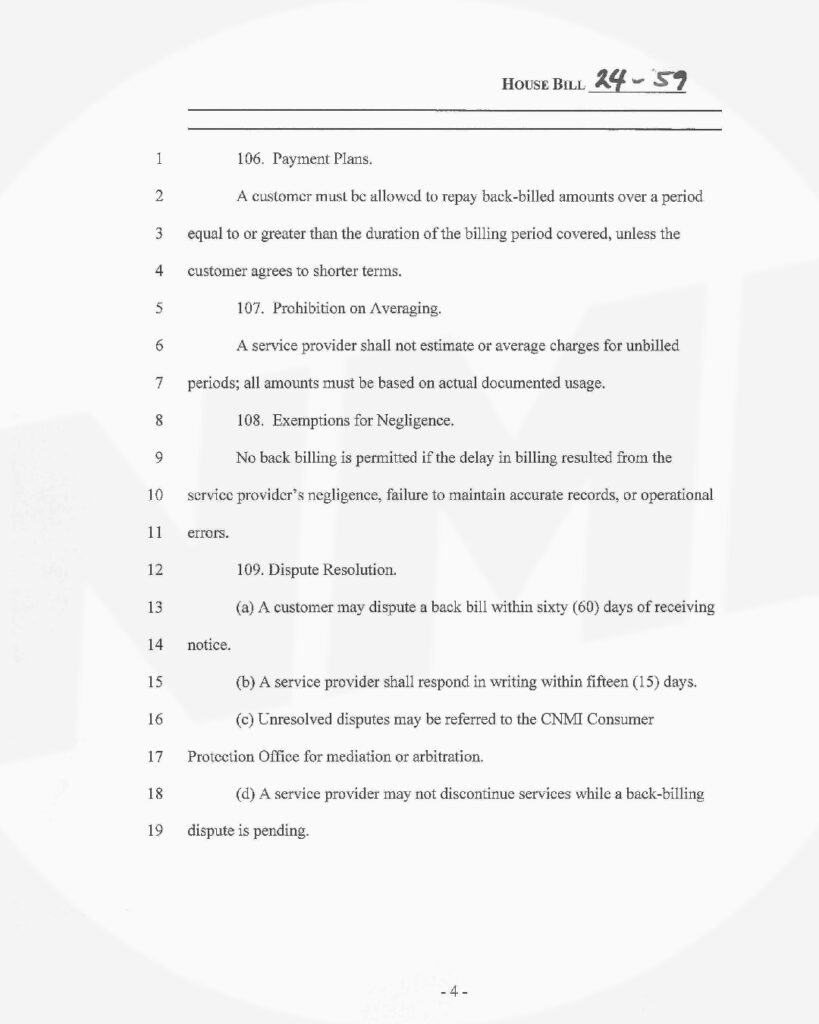
Under the bill, most back billing would be limited to no more than four months from when the underbilling or non-billing occurred, with exceptions described for situations such as documented fraud, tampering, or unauthorized use. The proposal would require written notice that explains the reason for the back bill, the time period covered, and a detailed breakdown of charges at least 30 days before payment is due. It would also require providers to offer payment plans allowing customers to repay back-billed amounts over a period equal to or greater than the back-billed time period, unless the customer agrees to shorter terms.
The bill would prohibit providers from estimating or averaging charges for unbilled periods, requiring instead that any back-billed amount be based on actual documented usage. It would also bar back billing when the delay resulted from provider negligence, a failure to maintain accurate records, or operational errors.
For disputes, the measure wou ld give customers 60 days to dispute a back bill after receiving notice, and it would require providers to respond in writing within 15 days. If a dispute cannot be resolved, the bill says it may be referred to the CNMI Consumer Protection Office for mediation or arbitration, and providers would be prohibited from discontinuing service while a dispute is pending.
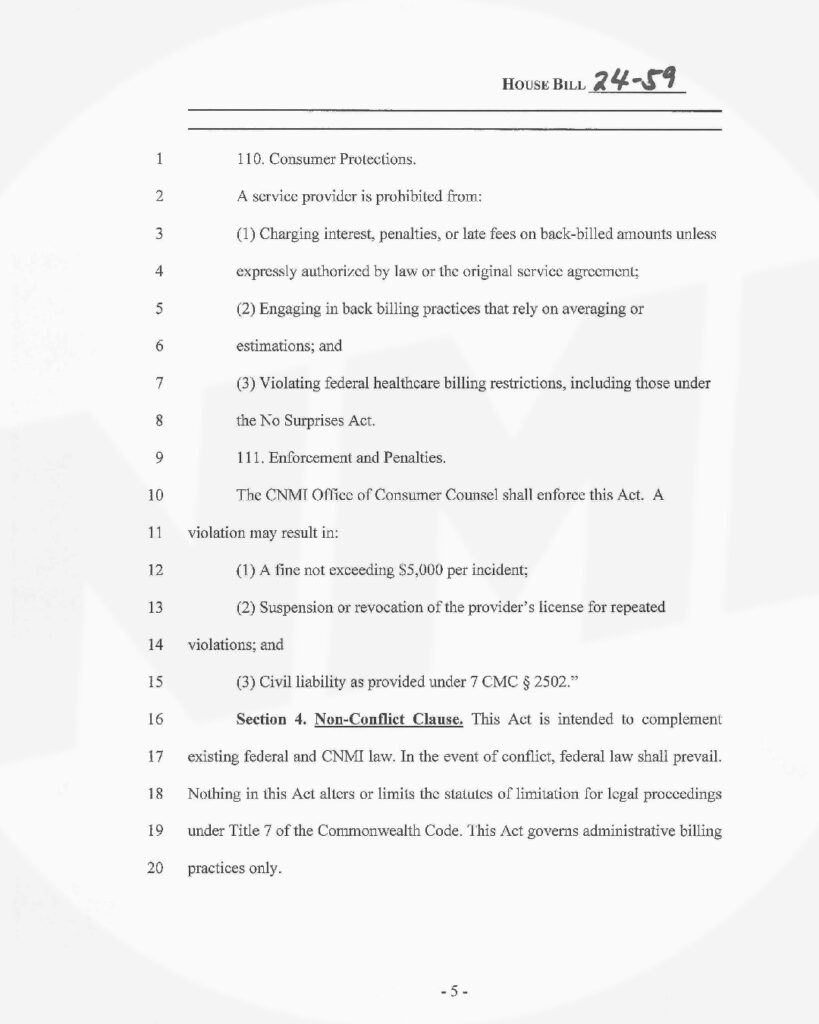
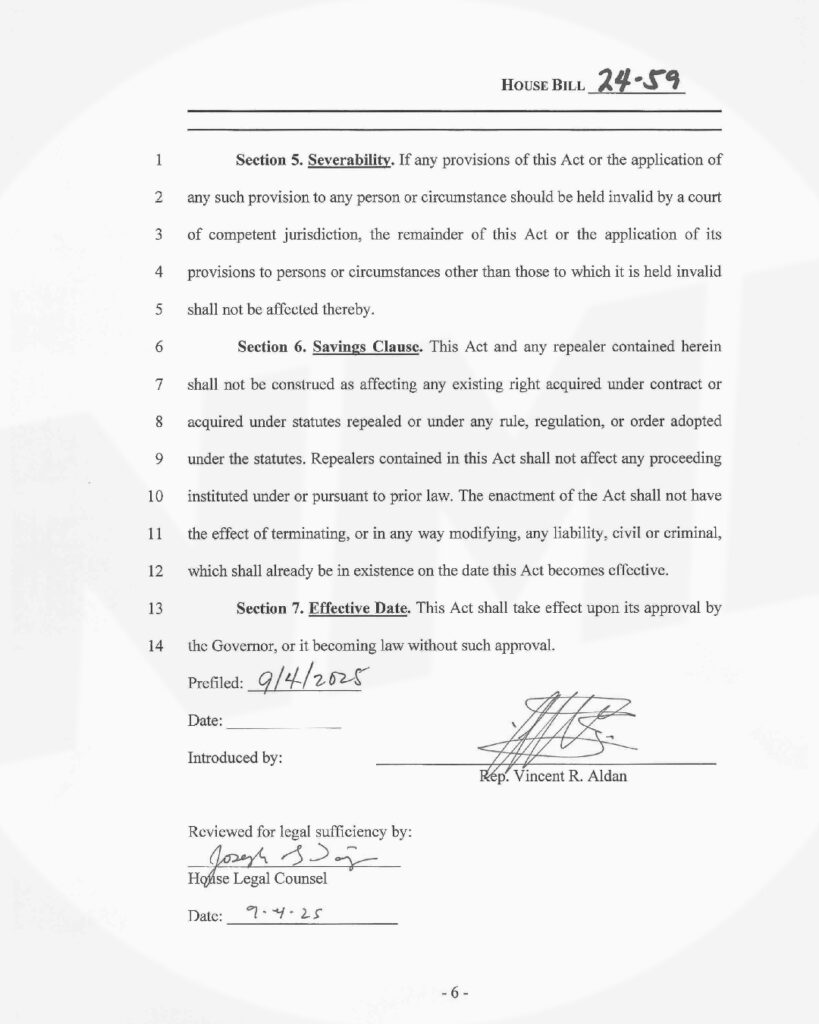
Enforcement would fall under the CNMI Office of Consumer Counsel. The bill describes penalties for violations that include fines of up to $5,000 per incident, potential licensing consequences for repeated violations, and civil liability as provided in Commonwealth law. The bill’s effective date section states it would take effect upon the governor’s approval, or upon becoming law without such approval.