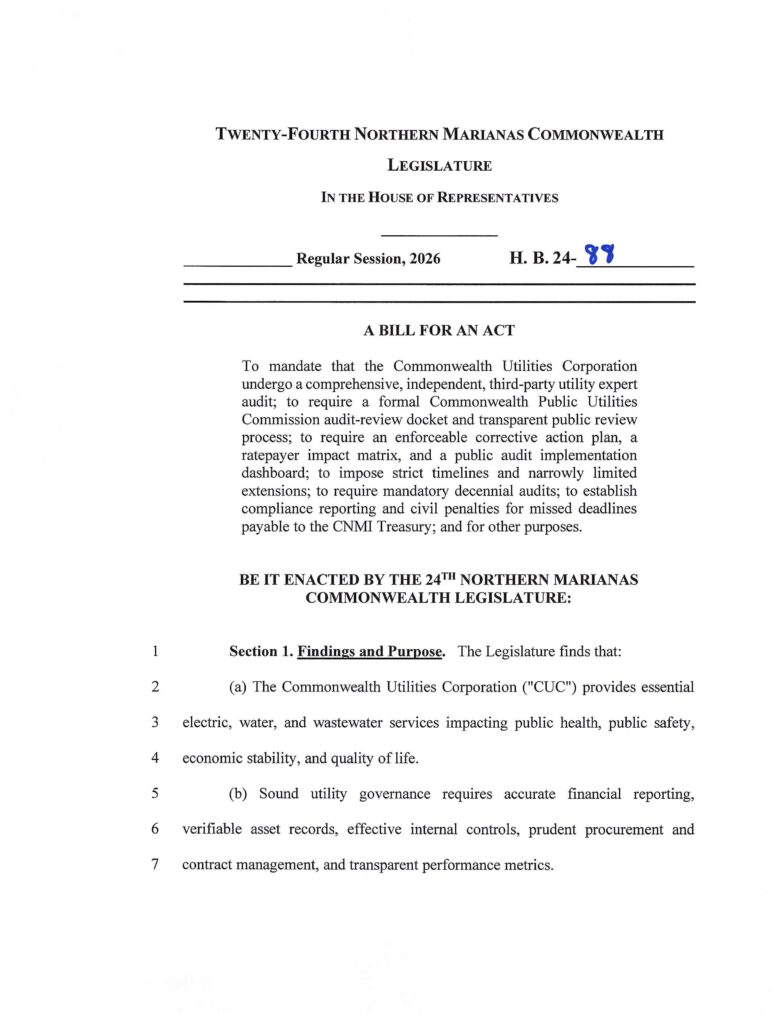
SAIPAN — Representative Vincent “Kobre” Aldan has prefiled a measure that would require the Commonwealth Utilities Corporation to undergo a comprehensive independent audit, open a public review before the Commonwealth Public Utilities Commission, and pay daily civil penalties personally assessed against top officials if deadlines are missed.
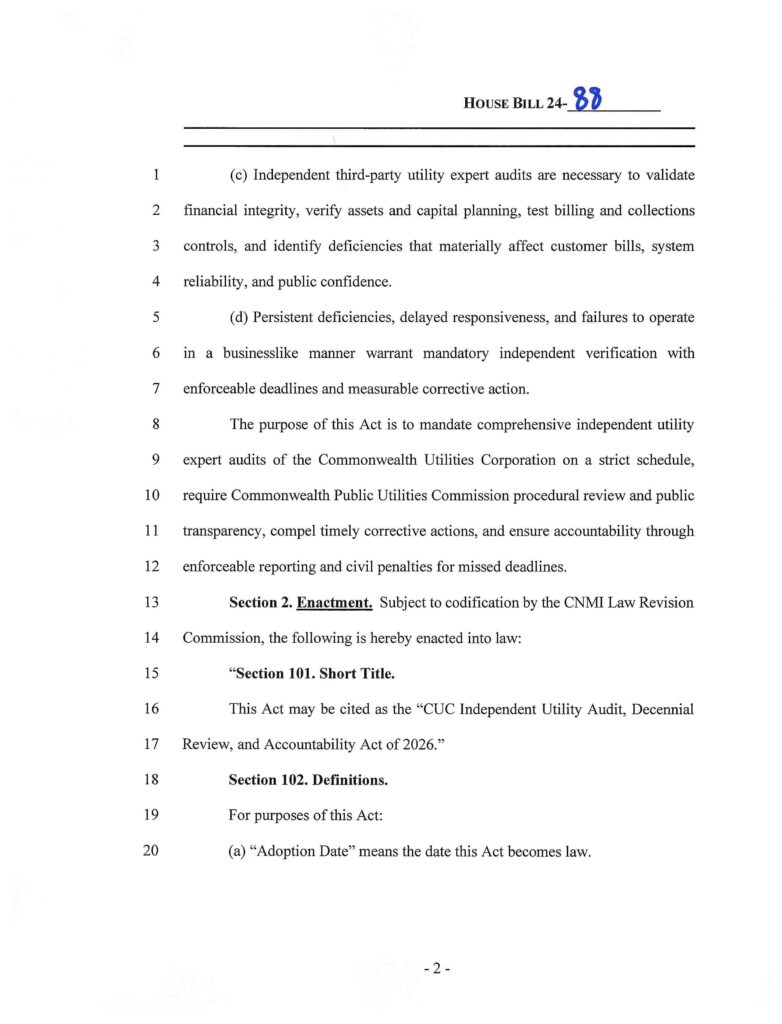
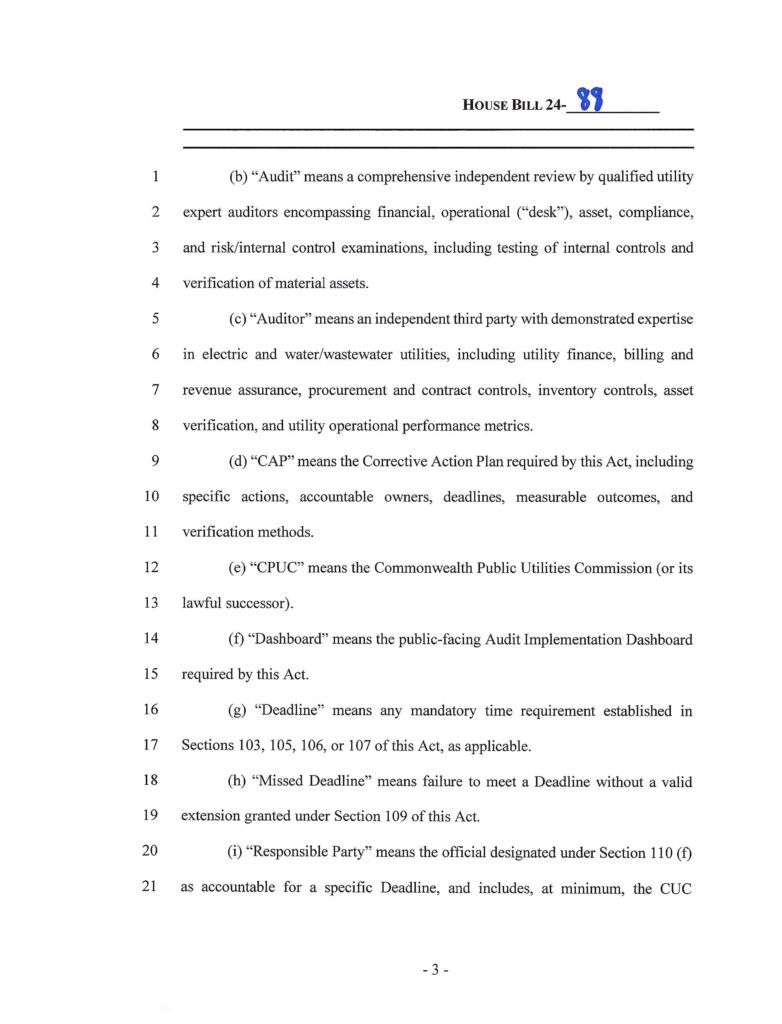
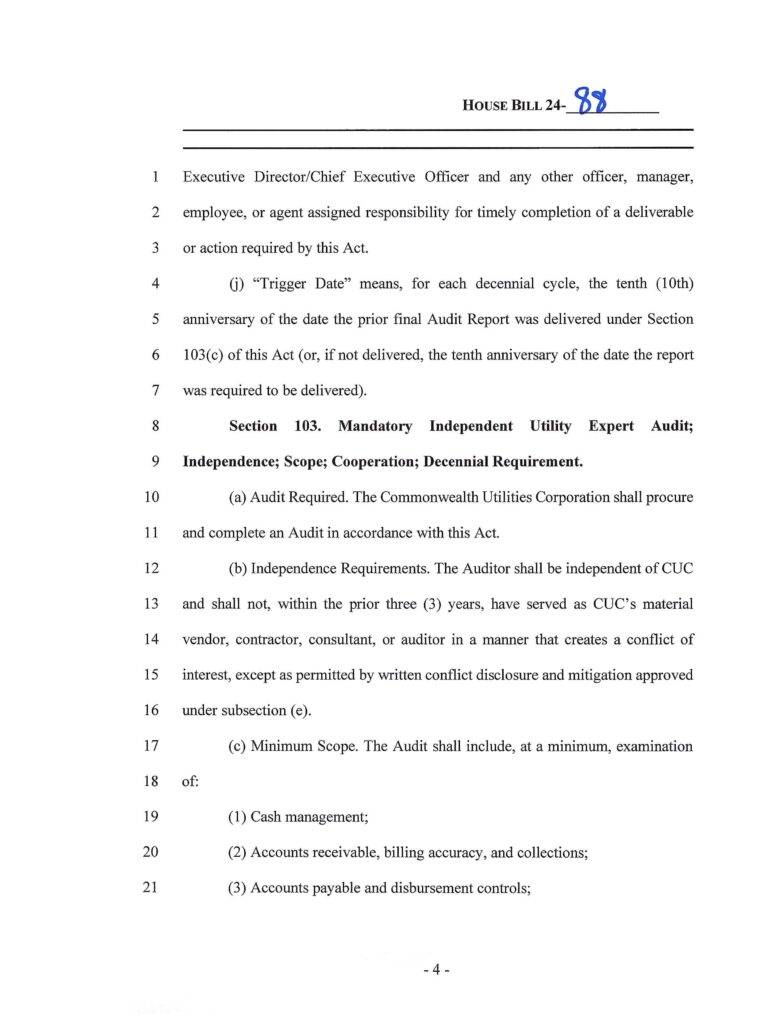
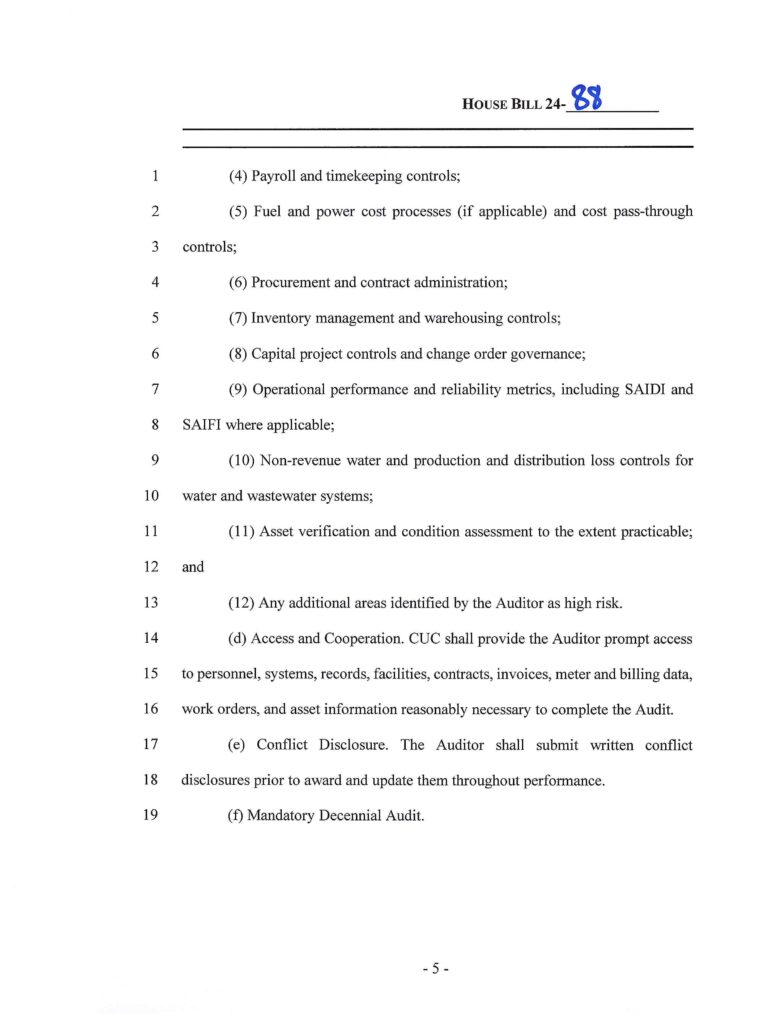
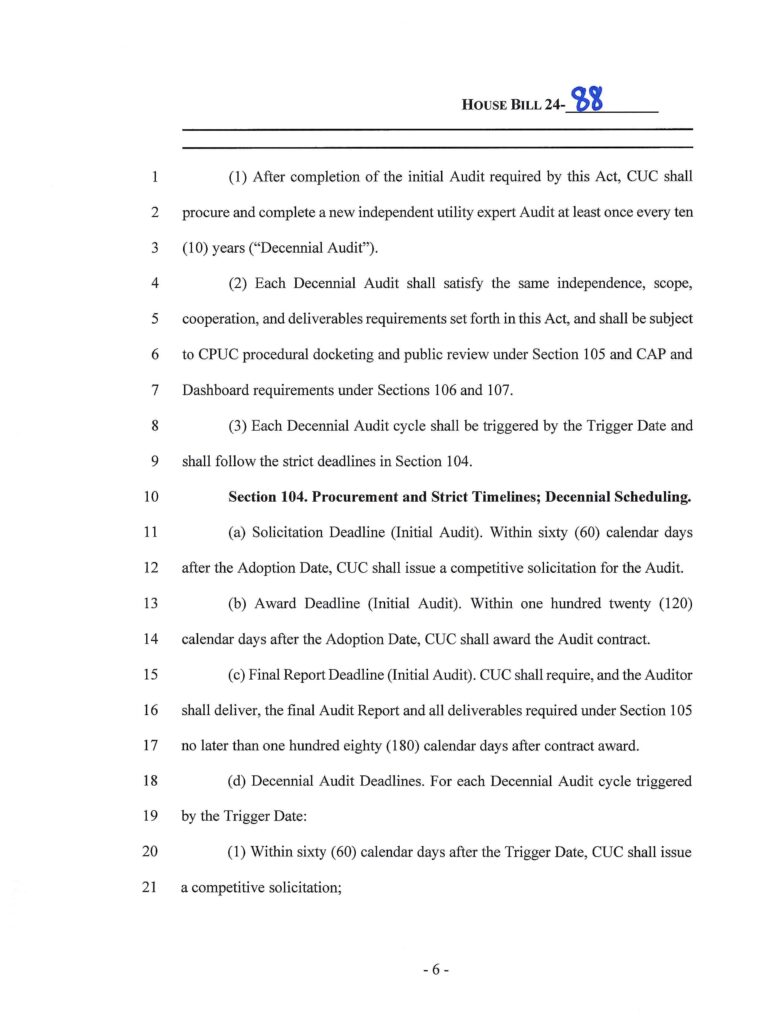
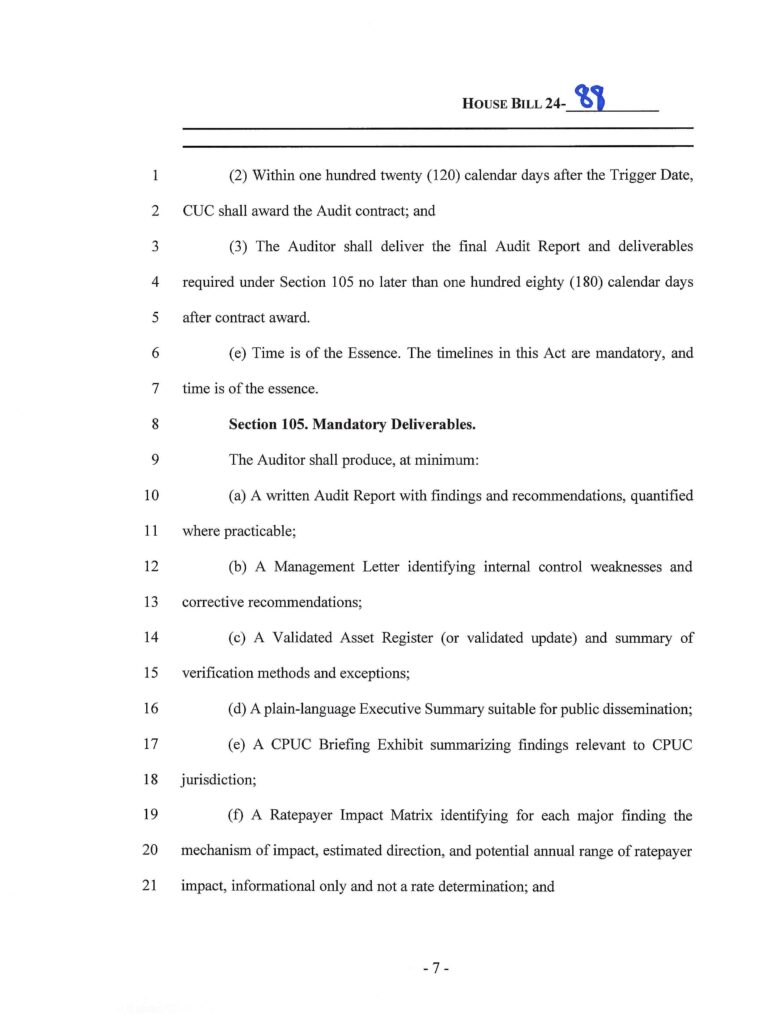
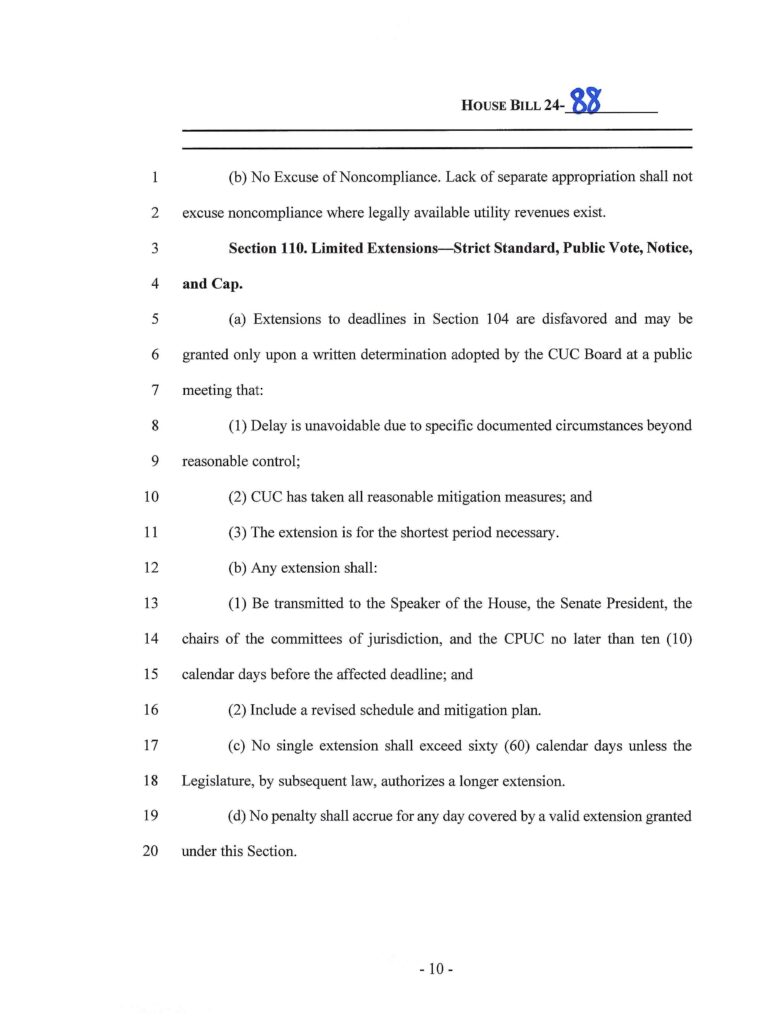
House Bill 24-88, titled the CUC Independent Utility Audit, Decennial Review, and Accountability Act of 2026, would mandate that CUC procure a third-party utility expert audit covering cash management, billing accuracy and collections, procurement, inventory, capital projects, asset verification, and operational reliability metrics, among other areas. The bill sets strict timelines: CUC would have 60 days after the law takes effect to issue a competitive solicitation, 120 days to award the contract, and 180 days after award for the auditor to deliver a final report.
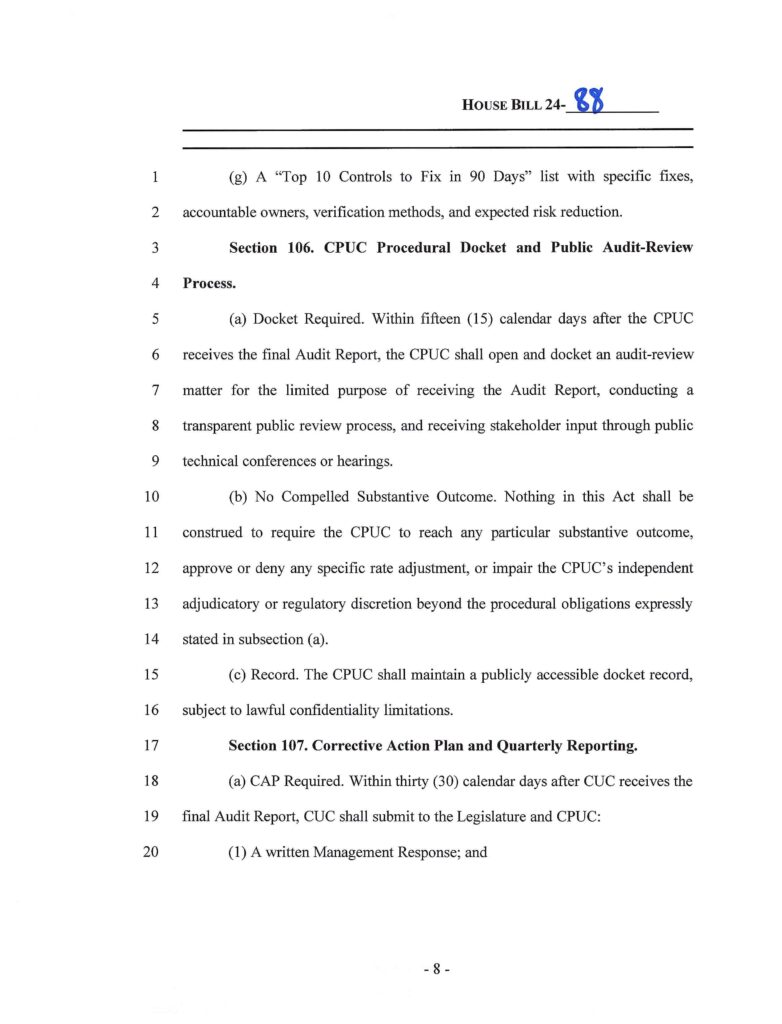
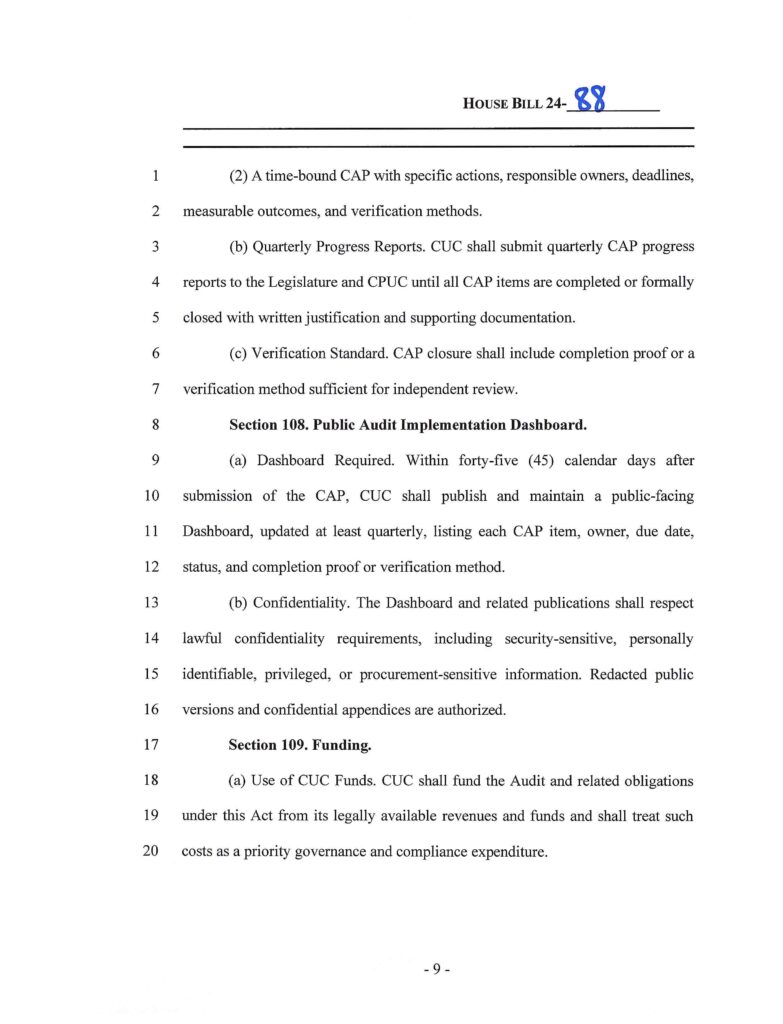
Under the bill, the CPUC would open a public audit-review docket within 15 days of receiving the final report, while retaining full independent discretion over any substantive regulatory outcome. CUC would then have 30 days to submit a corrective action plan with named owners, deadlines, and verification methods, followed by quarterly progress reports and a public dashboard tracking each item.
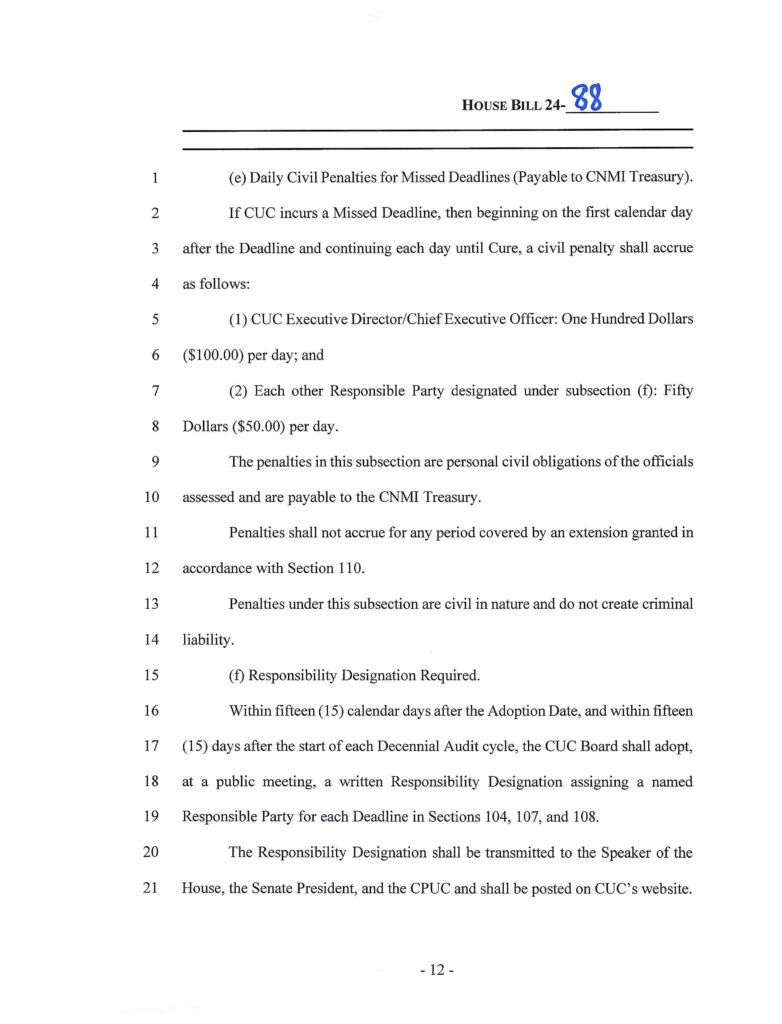
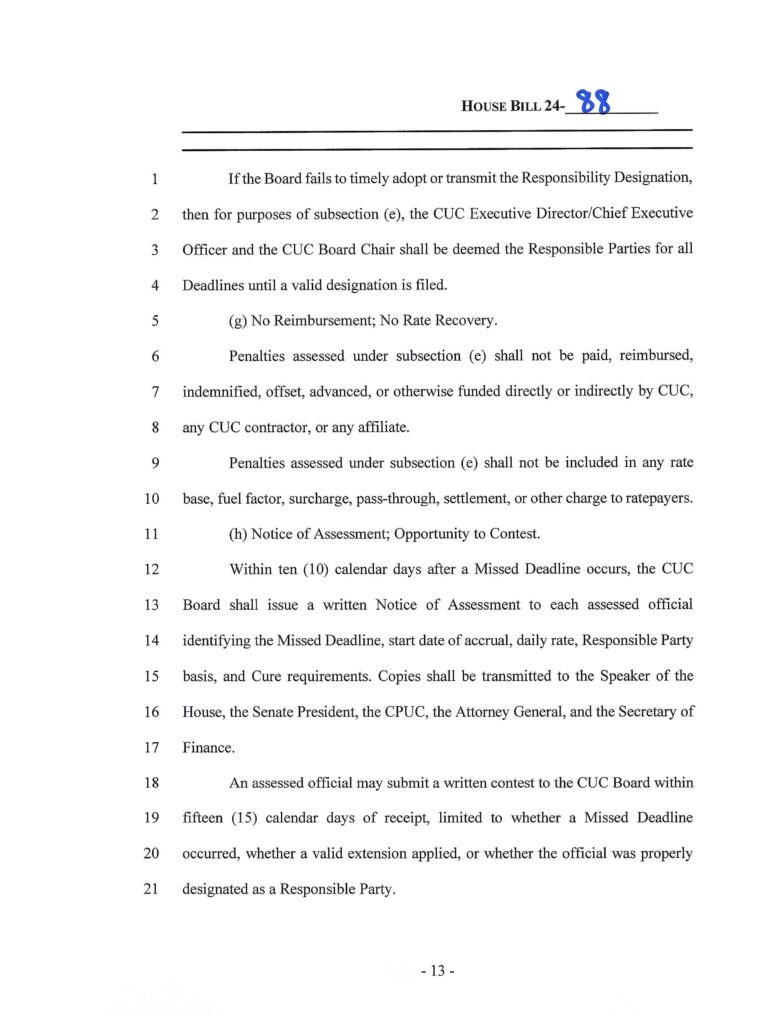
The measure would impose personal civil penalties for missed deadlines, accruing daily until cured. The Executive Director and Chief Executive Officer would face $100 per day and each other designated responsible party $50 per day, payable to the CNMI Treasury. The bill states those penalties are personal obligations of the officials assessed and could not be reimbursed by CUC or passed through to ratepayers. It also requires the CUC Board to designate a named responsible party for each deadline within 15 days of the law taking effect.
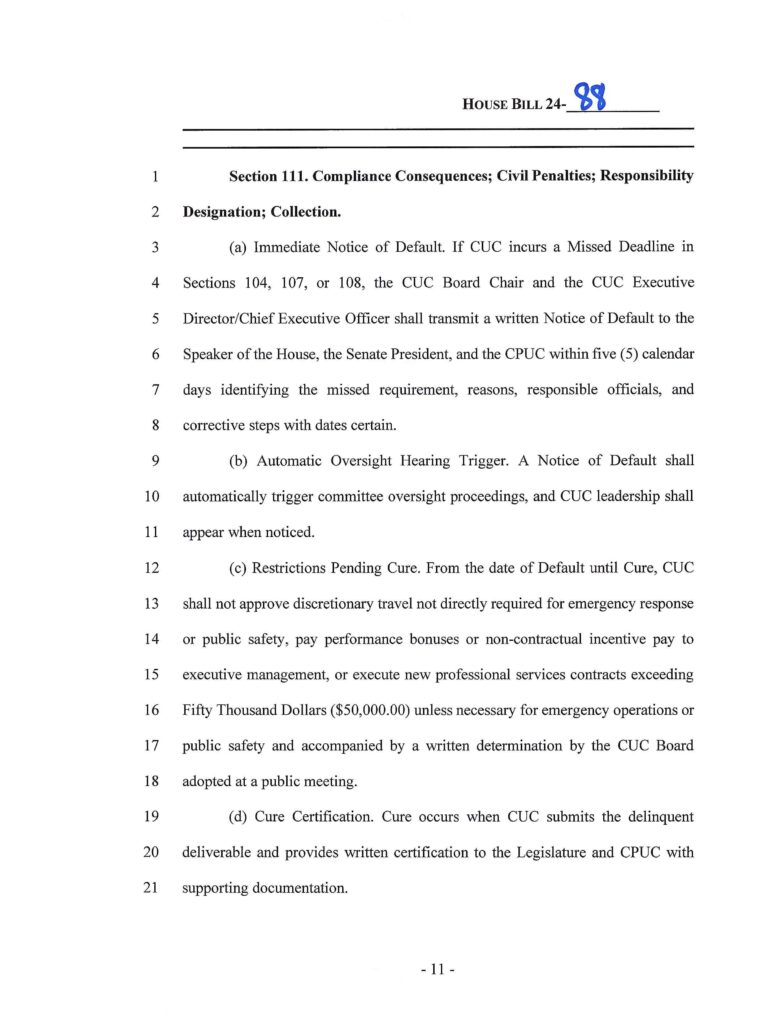
The bill would further require a mandatory audit at least once every 10 years and would bar CUC from approving discretionary travel, executive bonuses, or new professional services contracts above $50,000 from the date of a default until it is cured, with limited public safety exceptions.
In a public statement supporting the measure, Aldan said HB 24-88 rests on a simple principle that a public utility affecting every home, family, business, and community must be subject to real accountability, transparency, and follow-through.
“The Commonwealth Utilities Corporation is not a private convenience,” Aldan said. He said the bill is designed to require independent verification of issues that directly affect the public and the cost of utility service, and that its purpose is to protect ratepayers and public assets rather than to punish.
Aldan acknowledged CUC has objected to the bill on several grounds, including that it is duplicative, burdensome, costly, and too strict in its timelines and enforcement structure. He said those objections deserve to be heard but do not change what he called the basic truth that a monopoly utility entrusted with essential services must not operate without meaningful outside review and enforceable follow-through.
“This is not about politics. This is not about headlines,” Aldan said. He said the question is whether residents deserve a utility that is independently reviewed, publicly accountable, and required to fix what is broken.
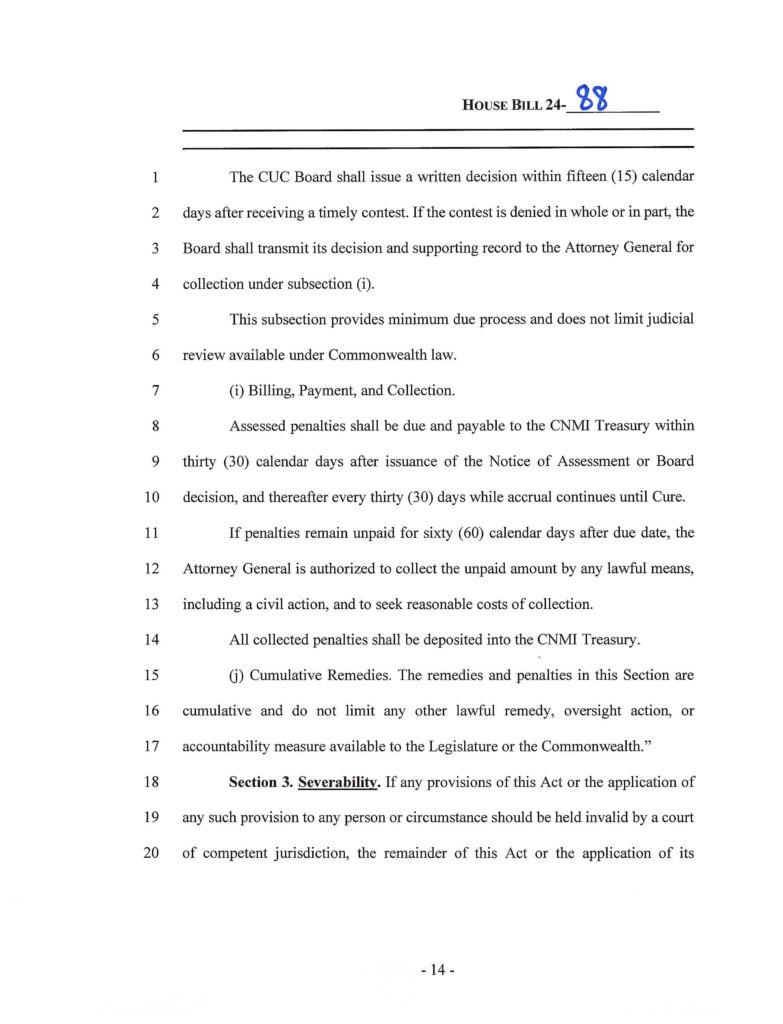
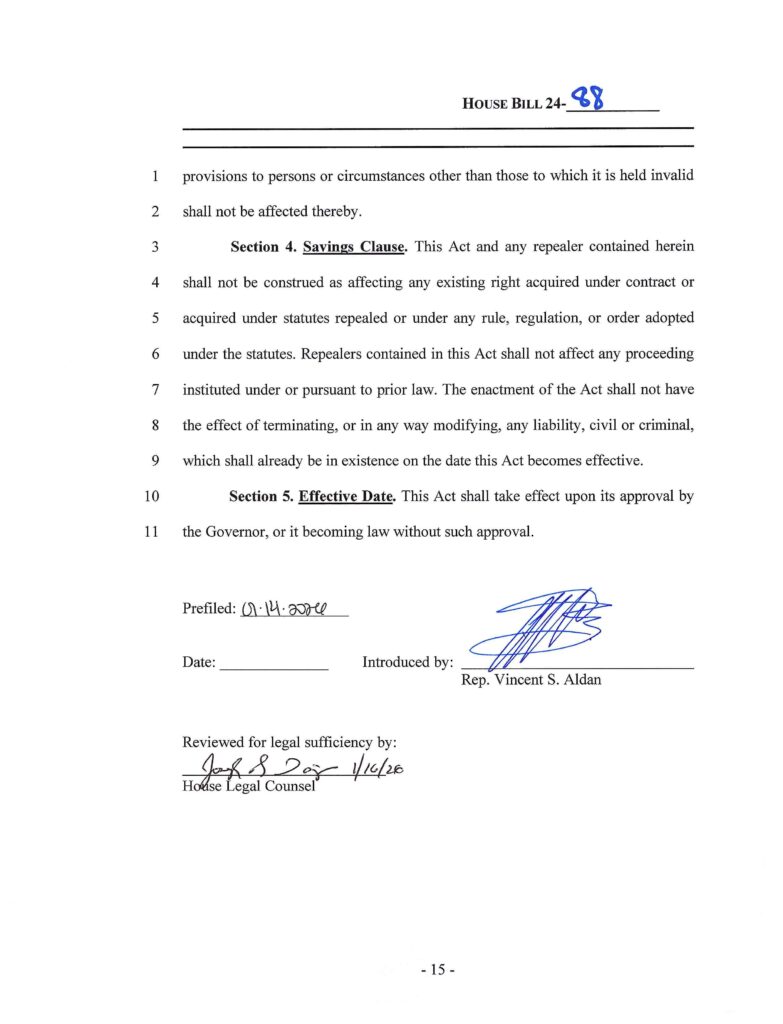
The bill includes a process for assessed officials to contest penalties before the CUC Board, limited to whether a deadline was missed, whether a valid extension applied, or whether the official was properly designated. It was reviewed for legal sufficiency by House Legal Counsel.