Happy Thanksgiving, Marianas!
Happy Thanksgiving from all of us at NMI News Service.
Sheila Babauta urges extension, public hearings as CNMI faces deep-sea mining comment deadline

SAIPAN – Sheila Babauta of Friends of the Mariana Trench told Good Morning Marianas that federal officials should extend the public comment period and hold public hearings in the CNMI following a Bureau of Ocean Energy Management request for information related to deep-sea mining.
SPECIAL TO THE NMI NEWS SERVICE: Holiday Hazards for Pets Spike After Thanksgiving—Here’s What Vets Want You to Watch For
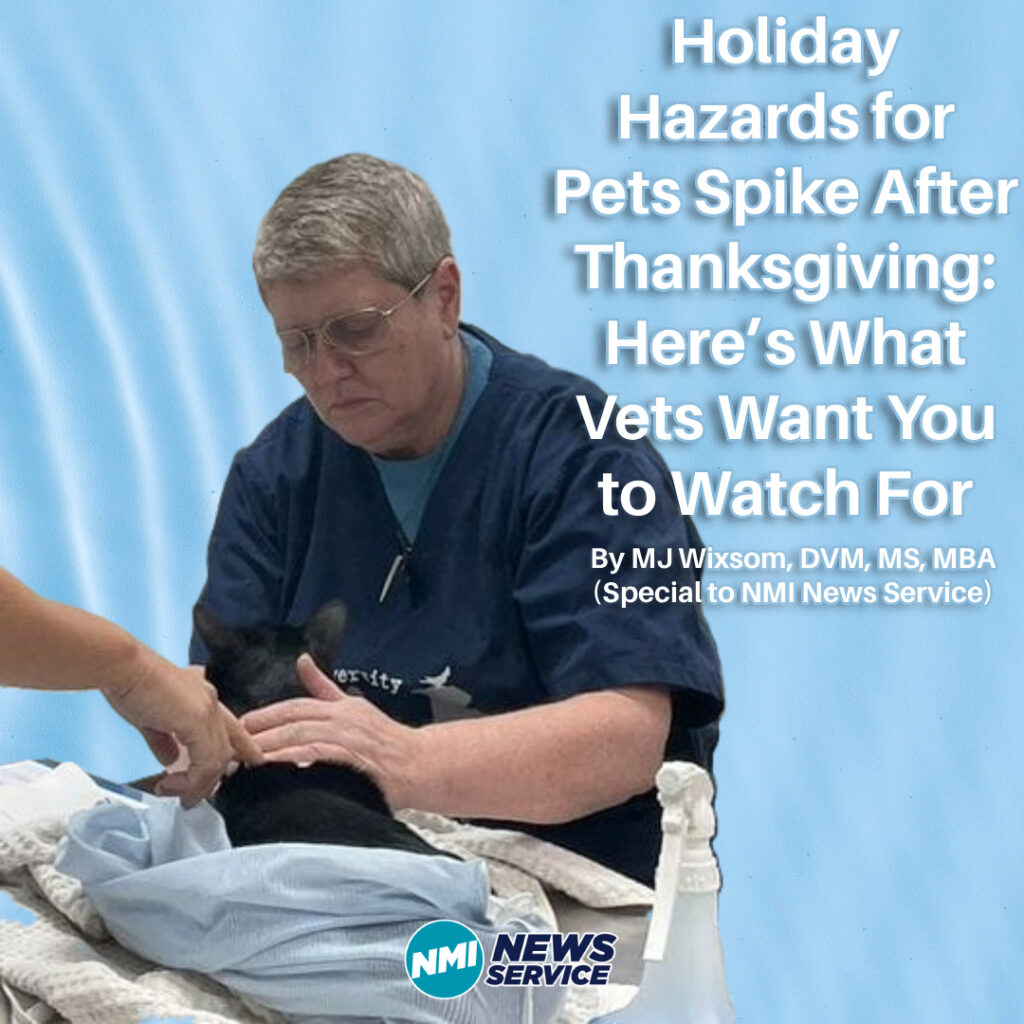
Leftovers, trash, decorations, and well-meaning guests can quickly turn into an emergency visit.
Thanksgiving is over, but the holiday hazards for pets are just getting started. Every year, veterinary clinics see a spike in emergency visits in the days after the big meal. The reasons are almost always the same: leftovers, decorations, and guests who mean well but don’t know better. Here’s what to watch for as you settle into the holiday season—and what to do if your pet gets into trouble.
Thanksgiving is the one holiday that I will not be working at the ER this year. That means I’ll be at home with my own animals, hoping to avoid any emergencies—and hoping you can, too.
The biggest culprit is food. Turkey bones, rich gravies, stuffing, and desserts are all dangerous for dogs and cats. Bones—even small ones—can splinter and cause choking, blockages, or tears in the digestive tract. Cooked bones are especially brittle. If your dog or cat manages to steal a bone, don’t wait for symptoms. Call your veterinarian right away. Early intervention can mean the difference between a minor scare and a major surgery.
Turkey string is another classic post-holiday problem. The string used to truss the turkey soaks up juices and smells irresistible to pets. Dogs and even some cats will dig it out of the trash or off the counter. If swallowed, string can cause dangerous intestinal blockages or even cut through the intestines—a life-threatening emergency. If you suspect your pet has eaten turkey string, call your vet immediately. Do not wait for vomiting or other symptoms.
Fatty foods are another problem. Turkey skin, gravy, butter, and anything fried can trigger pancreatitis, a painful and sometimes life-threatening inflammation of the pancreas. Signs include vomiting, diarrhea, belly pain, and lethargy. Pancreatitis can come on suddenly and escalate quickly. If your pet seems off after a fatty meal, don’t “wait and see.” Call for advice.
Stuffing and casseroles may contain onions, garlic, raisins, grapes, or certain spices—all toxic to pets. Even small amounts of these foods can cause serious problems, from anemia (onions/garlic) to kidney failure (grapes/raisins). If you suspect your pet has eaten any of these, call your vet or an animal poison control hotline immediately. Timing matters.
Vinnie Sablan seeks GOP nod for governor; party filing period runs through Dec. 12

Gubernatorial hopeful Vinny Sablan told Good Morning Marianas he has submitted a letter of intent and is seeking the CNMI Republican Party’s endorsement for governor, with the party’s filing period open until Dec. 12. Sablan said the party will determine next steps after that date, including whether a primary is needed.
Paddles up! High school co-ed va’a season starts Jan. 2026

CNMI Public Schools System Athletic Programs and the Northern Mariana Islands National Paddle Sport Federation announced the High School Co-ed Va’a season will kick off in January 2026, adding a new Junior Varsity division and a Feb. 28 long-distance race tied to Mau Fatuul that will invite students from Rota and Tinian.